
Ferocactus chrysacanthus
Ferocactus chrysacanthus
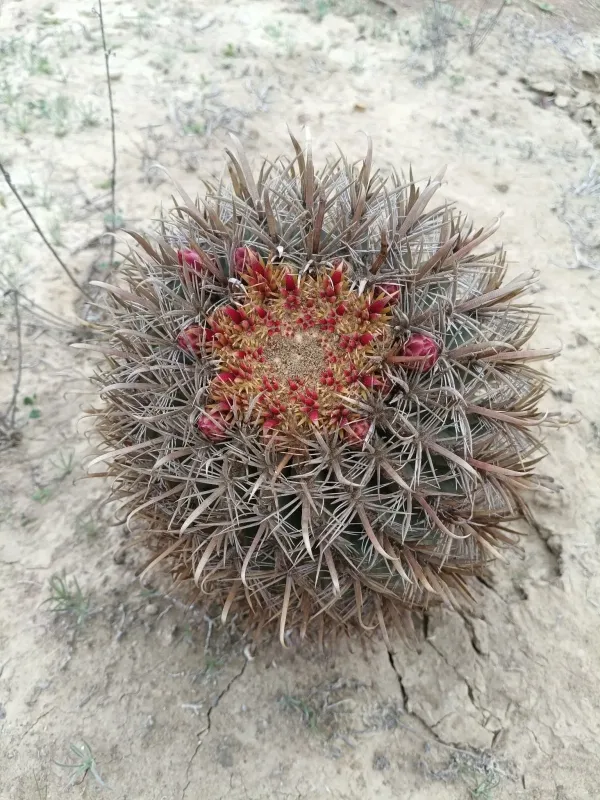
Description
Sowing dates
The propagation of Ferocactus chrysacanthus is primarily conducted through seeds in controlled nursery environments. Sowing should ideally occur in late winter or early spring to maximize growth during the natural light season.
A sterilized, porous substrate is critical for successful germination. A mixture of fine sand and coco peat, kept at temperatures between 22 and 26 degrees Celsius, provides the best results.
During the early stages, maintaining a consistent level of humidity is necessary. Sowing trays are covered with glass or plastic to mimic a greenhouse effect, ensuring the delicate seedlings do not dry out.
Seedlings require a gradual transition to drier conditions as they develop their first characteristic spines. This hardening process helps improve their survival rates when moved to individual containers.
Industrial production sometimes utilizes grafting techniques, where young seedlings are grafted onto stronger rootstocks. This method drastically reduces the time required for a plant to reach its decorative size.
Growing requirements
Belonging to the Cactaceae family, this species is native to the harsh, arid landscapes of Baja California. It thrives under intense solar radiation, requiring full sun exposure for healthy development.
Soil requirements for this cactus focus on rapid drainage and minimal organic content. A blend of coarse sand, volcanic grit, and a small amount of garden soil prevents the accumulation of excess moisture.
Irrigation management is the most critical aspect of the plant's agronomy. During the active growing season, water should be applied deeply but infrequently, only after the soil has completely dried out.
The species requires a cool, dry dormant period during the winter months. Maintaining temperatures between 10 and 15 degrees Celsius helps simulate their natural environment and encourages future flowering.
Good ventilation is essential to mimic natural wind flow and prevent stagnant air. Proper airflow helps regulate the surface temperature of the stem and reduces the risk of thermal stress.
Main diseases and pests
Mealybugs and spider mites are the most common pests affecting this plant. These insects thrive in dry environments and can quickly damage the plant's skin, leading to unsightly scars.
Root rot, often caused by overwatering or poor drainage, remains the primary threat to the health of Ferocactus chrysacanthus. Once advanced, these infections are often fatal for the specimen.
Preventative measures include the use of fungicides and regular visual inspections of the plant. Maintaining cleanliness in the growing area minimizes the risk of introducing external pathogens.
Control of pest populations requires timely application of specialized acaricides and systemic insecticides. Consistent monitoring during the early stages of infestation is key to successful remediation.
If rot is detected, immediate surgical removal of the infected tissue is necessary, followed by the application of charcoal powder to the cut. Careful adjustment of the watering schedule is then mandatory.