
Ferocactus alamosanus
Ferocactus alamosanus
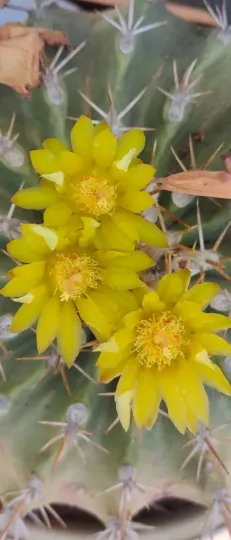
Description
Sowing dates
Sowing Ferocactus alamosanus seeds is best achieved during the spring season when light levels are sufficient for young seedlings. A consistent temperature of 22–25 degrees Celsius is required to trigger optimal germination rates.
Use a sterile, well-draining substrate mix consisting mainly of fine sand and perlite. Avoid using organic-rich compost as it can promote fungal growth, which is fatal for newly sprouted cactus seedlings.
Keep the sowing containers covered to maintain high humidity levels, but provide ventilation daily to simulate natural airflow. This prevents the formation of mold and damp-off diseases that can destroy entire batches of seedlings.
Once the spines begin to emerge, gradually introduce the seedlings to more light and reduce humidity. Pricking out or repotting should only be performed once the plants have developed a sufficiently strong root structure.
Transitioning from a humid environment to a standard cactus care routine must be gradual to prevent stress. Successful cultivation at this stage determines the long-term health and structural integrity of the specimen.
Growing requirements
Ferocactus alamosanus, a member of the Cactaceae family, originates from the arid landscapes of Mexico. It is a slow-growing species that thrives under intense direct sunlight, which is necessary to develop its distinctive, sturdy spination.
The potting medium must be highly mineral-based to ensure excellent aeration and drainage. A mixture of gravel, pumice, and coarse sand with a minimal amount of humus is ideal for maintaining the health of the root system.
Watering should be deep but infrequent, allowing the soil to dry out completely between sessions. During the active growing season, ensure that the water does not accumulate around the crown of the cactus to prevent tissue rot.
Winter dormancy is a critical requirement for this species. Maintain the plant in a dry and cool environment, ideally between 10–12 degrees Celsius, to mirror its natural habitat and encourage potential flowering.
Proper air circulation is essential, especially when growing the plant in an enclosed greenhouse or indoors. Stagnant air increases the risk of fungal infections and reduces the overall vigor of the plant during the growing season.
Main diseases and pests
The primary threat to Ferocactus alamosanus is stem rot caused by waterlogged soil. Signs of distress include soft or discolored patches on the skin of the cactus, which often require immediate repotting and surgical removal of affected areas.
Spider mites are common pests that target cacti, causing unattractive scarring and damage to the epidermis. Regular application of a systemic acaricide or biological control methods is recommended if an infestation is detected.
Root mealybugs can infest the underground parts of the cactus, often going unnoticed until the plant stops growing. Periodic checking of the root ball during repotting is essential for early detection and treatment.
Fungal spot diseases may occur if the plant is kept in humid conditions without proper ventilation. These infections can lead to permanent disfigurement and are difficult to eradicate once they reach the internal tissues.
Neglecting the rest period can weaken the plant's natural defense mechanisms, making it more susceptible to secondary infections. Keeping the plant dry and cool during winter significantly boosts its resilience for the following year.