
Epithelantha spinosior
Epithelantha spinosior
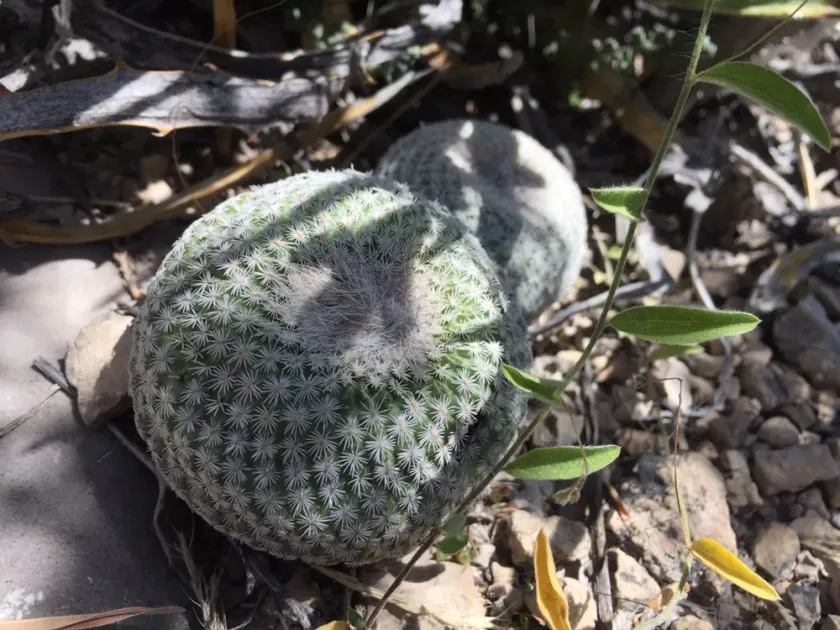
Description
Sowing dates
The propagation of Epithelantha spinosior is typically achieved via seeds sown in early spring. This timing ensures that the developing seedlings benefit from the natural increase in day length and light intensity.
Prepare a shallow tray with a highly porous mineral-based mix. Sterile components such as fine volcanic grit, sand, and perlite are essential to prevent the damping-off of the delicate young cacti.
Seeds should be sown on the surface and covered with a very light dusting of grit. Maintaining a constant temperature of approximately +23 °C and high relative humidity inside the container is crucial for germination.
Once seedlings emerge, it is vital to increase ventilation progressively to harden them off. Keeping the container completely sealed for too long can lead to etiolation, where seedlings stretch and lose their form.
Repotting or pricking out should be done with extreme care only when the seedlings have developed sufficiently strong root systems, usually after they have survived their first season of growth.
Growing requirements
Epithelantha spinosior is a member of the Cactaceae family, known for its small, spherical, and densely spined body. In its native habitat, it thrives in arid environments with very little annual rainfall.
The substrate must be primarily inorganic, providing excellent drainage. A mix of crushed limestone, pumice, and coarse sand is preferred to mimic the natural rocky crevices where these plants often occur.
High levels of solar radiation are required to maintain the compact shape and dense spine coverage that characterizes this species. In cultivation, they should be placed in the brightest spot possible.
Watering must be strictly regulated. The plant requires a full drying-out period between waterings. During winter, it must be kept bone-dry to enter dormancy, which is necessary to trigger spring flowering.
Fertilizing should be minimal, as the species is a slow grower. Use a cactus-specific fertilizer with low nitrogen content only once or twice during the peak growing season to avoid encouraging weak, rapid growth.
Main diseases and pests
The most significant threat to Epithelantha spinosior is overwatering, which quickly leads to root rot. Because the plant is small, damage to the root system can rapidly reach the core of the stem.
Mealybugs are a frequent pest, often settling deep within the dense spine structure, making them difficult to detect. Regular inspection with a magnifying glass is highly recommended for collectors.
Red spider mites thrive in the dry, warm air that the plant otherwise prefers. These pests cause discoloration and scarring on the cactus skin, which can permanently disfigure the slow-growing plant.
Fungal pathogens can cause sudden decay, especially if humidity levels are too high in combination with poor airflow. Providing a steady breeze around the plants significantly reduces the risk of infection.
Chemical control should be applied cautiously. Systemic insecticides are effective against pests, but the dosage must be carefully monitored to avoid phytotoxicity on the cactus epidermis.