
Epithelantha micromeris
Epithelantha micromeris
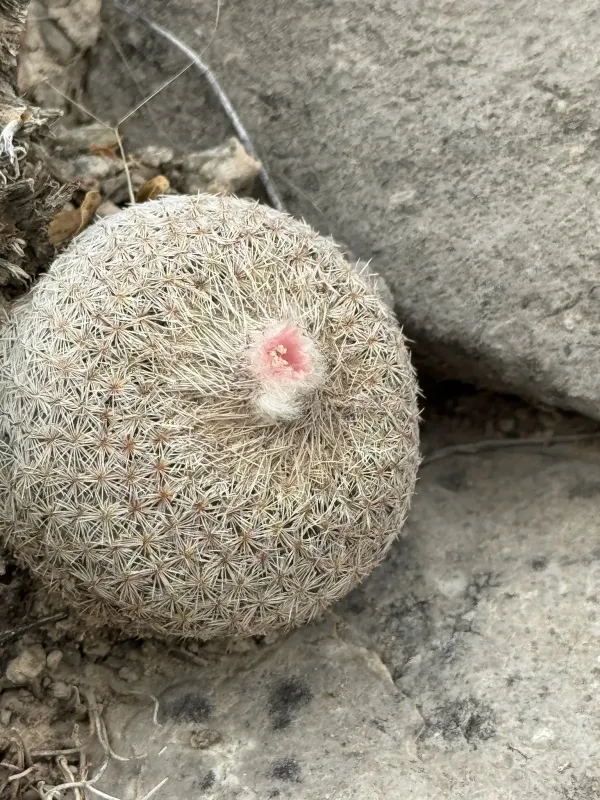
Description
Sowing dates
Seed propagation of Epithelantha micromeris requires careful attention to climate control, with early spring being the ideal time for sowing to maximize available daylight.
The seeds should be sown in a well-draining, mineral-heavy substrate that provides excellent aeration, which is crucial for preventing the damping-off of seedlings.
Maintaining a stable temperature of approximately 22–25 degrees Celsius and high humidity under cover is essential for successful germination within the first few weeks.
Once germination occurs, gradually acclimatizing the seedlings to ambient conditions is vital to strengthen their structure and prevent etiolation caused by weak light.
The first transplanting into individual pots should be done when the cacti have developed sufficient mass, typically after at least one full growing season.
Growing requirements
Epithelantha micromeris belongs to the Cactaceae family and is native to arid limestone environments in Northern Mexico and the Southwestern United States.
This species demands abundant direct sunlight to maintain its characteristic compact, globular form and the dense white spines that protect the epidermis.
The soil requirements focus on a highly inorganic mix, typically containing pumice, coarse sand, and a minimal amount of organic matter to mimic their native rocky habitat.
Watering should be performed only when the substrate is completely dry, and it must be strictly avoided during the winter dormancy period to ensure survival.
Proper airflow is as important as light; stagnant air around the cactus can lead to physiological stress and make the plant more susceptible to opportunistic infections.
Main diseases and pests
Root rot, induced by overwatering and poor drainage, is the most common health threat to this species, often resulting in sudden collapse of the plant.
Mealybugs are frequently found hiding within the dense spine network, where they can feed on the plant sap without being immediately noticed by the grower.
Spider mites can also cause significant damage by scarring the plant's surface, particularly when the cultivation area lacks adequate humidity and ventilation.
Integrated pest management, including regular inspection and the use of targeted systemic insecticides, is recommended to keep the collection in good condition.
Preventative measures such as maintaining high light levels and avoiding excessive nitrogen fertilization contribute significantly to the overall resilience of the cactus.