
Epithelantha greggii
Epithelantha greggii
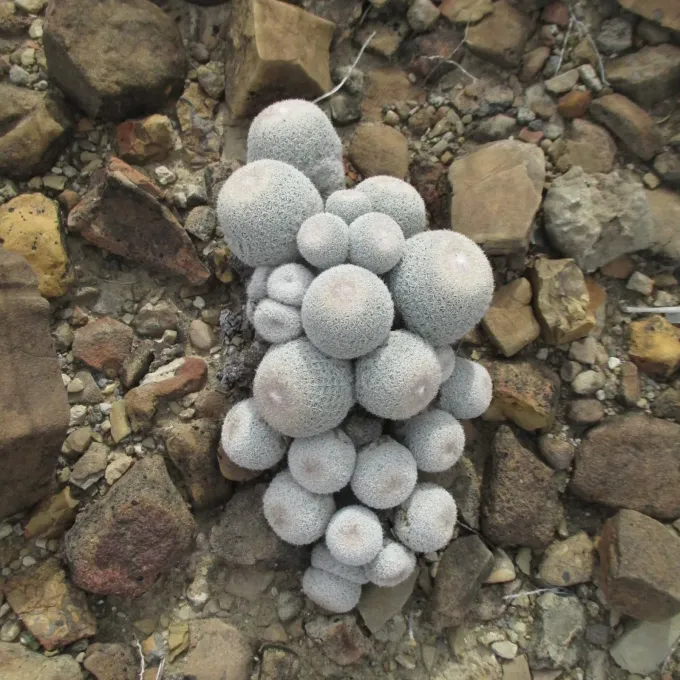
Description
Sowing dates
Propagation of Epithelantha greggii is primarily achieved through seeds, which are sown during the spring months. Increasing day length and rising temperatures provide the necessary energy for rapid germination and initial seedling development in controlled environments.
The substrate for sowing must be sterile, consisting of a mix of fine sand and a small portion of mineral-rich soil. Maintaining a constant temperature of 22–25 degrees Celsius and high humidity in the propagation box is crucial for success during the first few weeks.
Seedlings remain sensitive to transplanting and should only be pricked out once they reach a sufficient size, typically several months after germination. Early handling of these delicate plants often results in root damage and high mortality rates.
Watering of seedlings is best performed using the bottom-up soaking method. This technique ensures moisture reaches the roots without wetting the sensitive crown of the plant, significantly reducing the risk of fungal infections.
Gradually acclimating the young plants to drier conditions is a vital step in their development. By the end of the first year, they should be able to withstand the periodic dry spells that are characteristic of mature cactus cultivation.
Growing requirements
Epithelantha greggii is a small, globular cactus belonging to the Cactaceae family, native to the arid limestone regions of Mexico and the Southwestern United States. Its unique appearance is defined by dense spines that provide a natural protective shield.
The primary requirement for successful cultivation is a fast-draining, mineral-based soil. A mix of coarse sand, gravel, and limestone chippings is ideal, as it mimics the natural rocky habitat where these plants have evolved over centuries.
Sunlight is the most critical environmental factor; the plant requires maximum exposure to thrive. Insufficient light causes the cactus to lose its characteristic tight, round shape, leading to etiolation and a sparse appearance of the protective spines.
During the active growing season, watering should be thorough but infrequent, allowing the substrate to dry out completely between sessions. Excessive moisture is the primary cause of decline in this species, as the roots are highly prone to rot.
Winter dormancy is essential for the health of the plant. During this period, the temperature should be kept low, around 8–12 degrees Celsius, and the soil must be kept almost entirely dry to encourage successful flowering in the following spring.
Main diseases and pests
The most significant threat to Epithelantha greggii is rot, typically caused by water accumulation around the root neck. Poorly aerated soil or overwatering during cooler months creates a perfect environment for destructive soil-borne fungi.
Mealybugs are the most common pest found on this species, often hiding deep within the dense, hair-like spines. Detecting them early requires a careful inspection, as the white color of the pests often mimics the cactus's natural appearance.
Spider mites can also become a problem in environments with poor air circulation and low humidity. These pests feed on the succulent tissues, leaving characteristic discolored patches that significantly reduce the aesthetic and vital value of the plant.
Effective management of these threats involves the use of systemic insecticides or miticides, applied according to the manufacturer's directions. Preventing pest outbreaks through consistent ventilation is always preferred over chemical intervention.
Maintaining a clean, well-ventilated growing environment and using sterile soil components is the best strategy for long-term health. A strong, well-adapted plant will naturally resist most common pathogens encountered in indoor collections.