
Epithelantha bokei
Epithelantha bokei
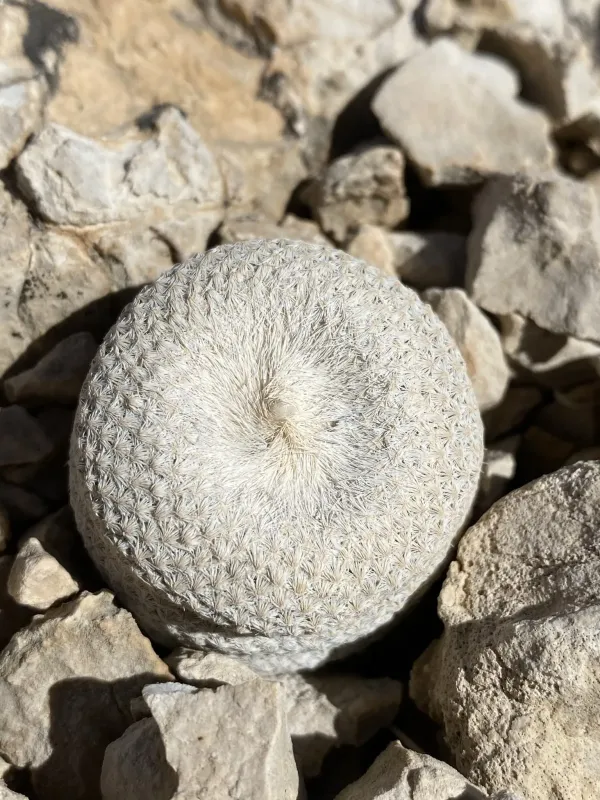
Description
Sowing dates
The sowing process for Epithelantha bokei should be initiated during the early spring season to take advantage of natural light cycles.
Optimal germination occurs at temperatures between +22 and +26 degrees Celsius, requiring a consistent, mildly humid environment in the seed bed.
A sterilized mineral-based substrate, consisting mainly of pumice or coarse sand, is essential to facilitate drainage and minimize the risk of pathogen attack.
Seeds should be sown on the surface and pressed lightly, as they require adequate light exposure to trigger the germination mechanism efficiently.
Once seedlings emerge, they must be gradually acclimated to lower humidity levels to ensure a transition to a more robust, mature growth phase.
Growing requirements
As a member of the Cactaceae family, this species originates from the arid terrains of Mexico, which dictates its high tolerance for intense heat and drought.
Full sun exposure is a critical requirement for maintaining the compact growth habit and the characteristic dense, white, felt-like spine coverage.
The soil profile must be extremely porous; a mix containing high proportions of inorganic material like granite grit is ideal for preventing root rot.
Watering frequency should be minimized, allowing the soil to dry out completely between applications to simulate the natural desert precipitation patterns.
A strict dormancy period is required during winter, characterized by cool temperatures around +10 degrees and an absolute cessation of watering activities.
Main diseases and pests
Root mealybugs are the primary pests that infiltrate the root system, often going undetected until significant damage to the plant's vitality occurs.
Fungal pathogens causing crown rot are highly prevalent if the substrate remains saturated for prolonged periods, especially in low-light conditions.
Red spider mites may infest the plant if humidity levels are consistently low and ventilation is poor, causing visible scarring on the stem surface.
Implementing a routine of systemic insecticide applications can protect the plant from common soft-bodied pests that target succulents.
Maintaining high hygiene standards in the growing area, combined with proper soil aeration, remains the most effective strategy for disease management.