
Echinofossulocactus sulphureus
Echinofossulocactus sulphureus
Description
Growing requirements
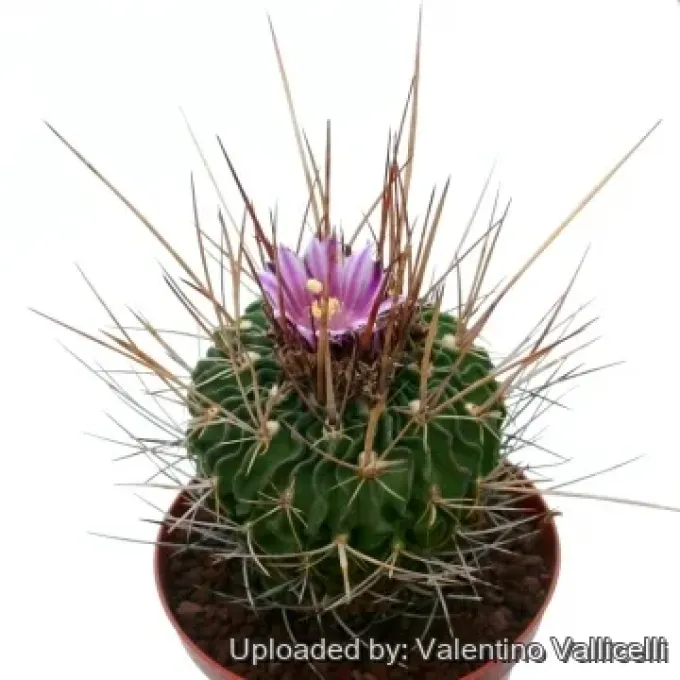
Echinofossulocactus sulphureus is a member of the Cactaceae family, native to the arid highlands of Mexico. This genus is widely recognized by its numerous, thin, and often wavy ribs, which distinguish it from other globular cactus species.
Botanically, this plant is adapted to rocky environments, requiring a substrate that mimics these conditions. A mix of coarse sand, perlite, and a small amount of peat is ideal for maintaining the necessary drainage and avoiding root rot issues.
In terms of light, this cactus requires intense exposure to thrive. Placing the plant in a spot that receives several hours of direct morning or late afternoon sun is crucial for developing strong, healthy spines and maintaining its compact growth form.
The climate requirements include a strict distinction between the growing season and the dormant period. During the summer, regular watering should only occur when the soil has completely dried out, while winter dormancy requires total dryness and cooler temperatures.
For ornamental purposes, this species is highly valued by collectors for its architectural appearance. Its slow growth rate and the complexity of its ribs make it a prized specimen for greenhouse displays and indoor succulent gardens.
Main diseases and pests
The most common threat to this culture is improper moisture management. Overwatering, especially during periods of low light or low temperatures, quickly leads to root rot and collapse of the internal vascular tissue of the cactus.
Pests such as mealybugs and spider mites are frequent intruders that hide in the crevices of the wavy ribs. Maintaining high air circulation and using preventive treatments can effectively mitigate these risks and keep the specimen healthy.