
Echinofossulocactus phyllacanthus
Echinofossulocactus phyllacanthus
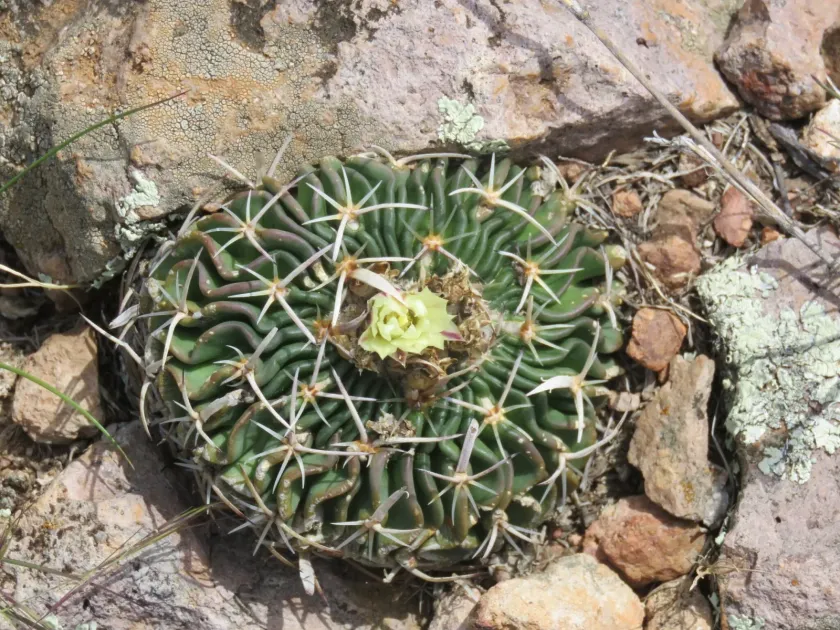
Description
Sowing dates
Propagation of Echinofossulocactus phyllacanthus is primarily achieved through seeds, which require specific conditions to germinate successfully. Sowing is best performed in early spring to utilize the natural increase in day length and light intensity for seedling development.
The substrate for sowing must be sterile, fine-grained, and well-draining to prevent the damping-off disease common in young cacti. Maintaining a stable temperature between 22 and 26 degrees Celsius is essential for optimal germination rates.
Seeds should be placed on the surface of the moistened substrate and lightly pressed down rather than buried deep. Covering the container with glass or plastic helps maintain the high humidity levels necessary for the initial stages of plant growth.
As seedlings emerge, the covering should be gradually removed to acclimate them to ambient humidity. Careful ventilation is required during this period to prevent fungal growth while ensuring the delicate plants do not dry out too rapidly.
Transplanting should only occur when the seedlings are robust enough to handle the stress of repotting, usually after the first full season of growth. Patience is required, as this genus is known for its slow initial growth rate.
Growing requirements
Echinofossulocactus phyllacanthus is a member of the Cactaceae family, native to the high-altitude regions of Mexico. It thrives in conditions that mimic its natural habitat, requiring bright, indirect sunlight to maintain its characteristic compact shape and spination.
The ideal potting medium is a porous, mineral-based mix consisting of sharp sand, perlite, gravel, and a small portion of organic soil. High drainage capacity is non-negotiable, as this species is highly susceptible to root rot if left in standing water.
Watering should be performed only when the soil is completely dry during the active growing season. During the winter dormant period, the plant must be kept cool, between 10 and 12 degrees Celsius, and kept almost completely dry to prepare it for spring flowering.
Good air circulation is vital for this species, as stagnant air can lead to the development of fungal pathogens and discourage healthy growth. It is important to ensure the plant is not kept in high humidity or cramped spaces.
The plant adapts well to temperature fluctuations between day and night, provided the overall climate remains temperate during the active season. Avoiding extreme heat and maintaining proper light levels will keep the plant vigorous and healthy.
Main diseases and pests
Spider mites are the most common pests affecting this cactus, particularly when the ambient air is dry and warm. These mites cause visible damage to the skin, which can lead to scarring and long-term aesthetic degradation of the cactus.
Root mealybugs can pose a significant threat by attacking the root system, often unnoticed until the plant starts to show signs of decline. Routine inspection of the root ball during repotting is an effective way to detect these pests early.
Fungal rot, particularly at the root or base, is the most common cause of loss for this species, usually resulting from overwatering or inadequate substrate drainage. Once rot sets in, it is difficult to arrest, making prevention the best strategy.
- Spider mites
- Root mealybugs
- Basal rot
- Fungal leaf spot
Maintaining a strict hygiene regimen, including clean tools and sterilized soil, significantly reduces the risk of pest and disease outbreaks. Any sign of infection should be addressed immediately with appropriate systemic treatments.