
Echinofossulocactus multicostatus
Echinofossulocactus multicostatus
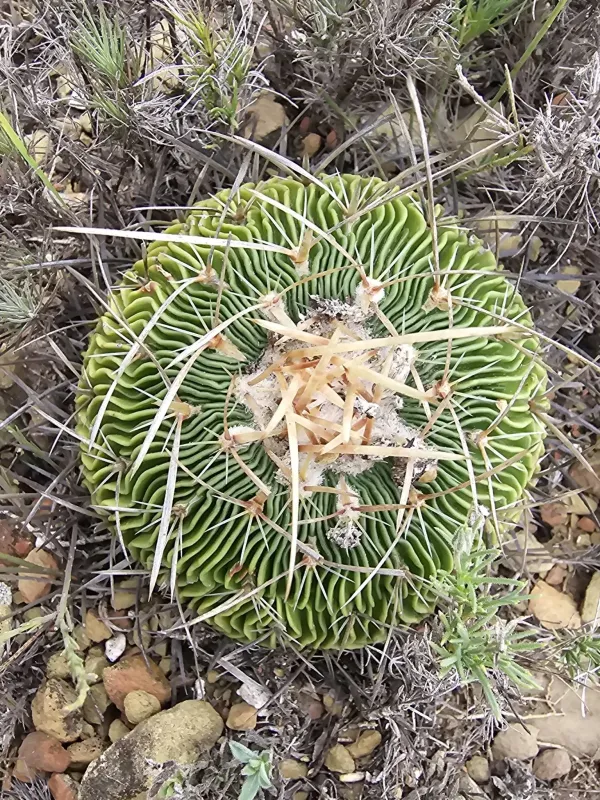
Description
Sowing dates
Sowing seeds of Echinofossulocactus multicostatus should be carried out during the spring months, specifically from March to April. A stable temperature of 22–25 degrees Celsius is critical for successful germination.
The growing medium must be highly porous, sterile, and composed primarily of mineral particles. Avoid using peat-heavy mixes, as they retain too much moisture and can lead to damping-off in seedlings.
Seedlings usually emerge within two to three weeks under consistent moisture and warmth. It is essential to keep the nursery containers covered to maintain high humidity during the early stages of development.
Pricking out should be done only when the seedlings are robust enough to handle the stress of transplanting. This usually occurs several months after sowing when the spines are clearly visible.
Young plants require slightly more frequent watering compared to mature specimens, but careful monitoring is still necessary to prevent root rot in the delicate developing system.
Growing requirements
As a member of the Cactaceae family, this species originates from the arid landscapes of Mexico. It is specifically adapted to environments with high daytime temperatures and significant periods of drought.
Cultivation requires a well-draining soil mix consisting of pumice, coarse sand, and crushed lava rock. The potting container must have adequate drainage holes to ensure no standing water remains at the root level.
Provide bright, indirect sunlight during the growing season to maintain the plant's characteristic compact shape and dense ribbing. Excessive shade will cause the plant to etiolate and lose its aesthetic value.
During the winter rest period, the plant should be kept dry and in a cool location with temperatures around 10–12 degrees Celsius. This dormancy period is essential for successful future blooming.
Ventilation is a key factor in keeping the plant healthy, as it helps regulate humidity levels around the stem. Proper air circulation prevents the accumulation of excess moisture that leads to fungal issues.
Main diseases and pests
The most significant threat to this species is root rot, often caused by overwatering during the dormant winter phase. Always ensure the substrate is completely dry before applying any water.
Pests like spider mites and mealybugs frequently hide within the deep grooves between the ribs. Periodic inspections with a magnifying glass are recommended for early detection of these pests.
Fungal pathogens such as Fusarium can weaken the root system, causing the cactus to lose stability. If a plant appears soft at the base, it must be removed from the pot for immediate root inspection.
Preventive measures include keeping the collection clean, providing adequate airflow, and using systemic fungicides if an outbreak occurs. Never introduce a new plant without a thorough quarantine period.
Maintaining a balanced approach to water and light is the best way to keep the cactus resilient against diseases. A healthy, well-fed plant is naturally more capable of resisting common environmental stressors.