
Disocactus quezaltecus
Disocactus quezaltecus
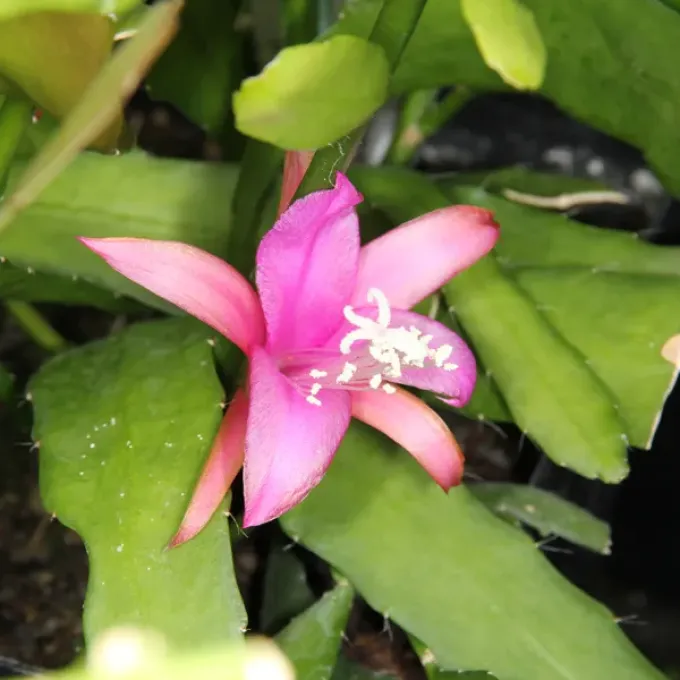
Description
Growing requirements
Disocactus quezaltecus is a specialized member of the Cactaceae family, native to the tropical cloud forests of Central America, specifically Guatemala. Unlike typical desert cacti, this species has evolved as an epiphyte, growing on tree branches in shaded, humid environments.
The plant features flattened, succulent stems that adapt to high humidity and low-light forest floors. In cultivation, it requires bright but filtered sunlight, as direct intense radiation can cause permanent damage and yellowing of the foliage.
The growing medium must be highly porous and rich in organic matter. A well-draining substrate mix, often including bark, perlite, and peat moss, is essential to mimic the forest environment and ensure the roots receive adequate oxygen.
Temperature requirements for this species are relatively narrow, typically ranging between 18°C and 25°C. It is intolerant of frost and extreme heat, making it an ideal candidate for greenhouse cultivation where climate parameters are strictly managed.
Watering strategies focus on maintaining consistent moisture without inducing waterlogging. During the growing season, misting the air around the plant is beneficial to replicate the humid conditions of its native habitat, while reduced watering is needed during the rest period.
Main diseases and pests
Root rot and fungal infections represent the most significant threats to Disocactus quezaltecus. These conditions are almost exclusively caused by overwatering or poor drainage, which prevents the roots from breathing effectively in the substrate.
Spider mites are common pests that thrive in dry indoor environments. They pierce the surface of the stems to extract sap, leading to weakened growth and the appearance of unsightly lesions that can become entry points for secondary infections.
Mealybugs can also infest the plant, hiding in the crevices between stem segments. Their presence is usually indicated by a white, cottony substance, and they can significantly stunt the growth of the plant if left untreated.
Effective pest management involves integrated control methods, including regular cleaning and the application of appropriate systemic insecticides. It is crucial to monitor the plants closely, especially during seasonal transitions when environmental stress may occur.
Disease prevention is prioritized by ensuring high air circulation and using sterile tools for any necessary pruning. Proper hygiene in the growing space reduces the risk of pathogens establishing themselves in the succulent tissues of the cactus.