
Disocactus phyllanthoides
Disocactus phyllanthoides
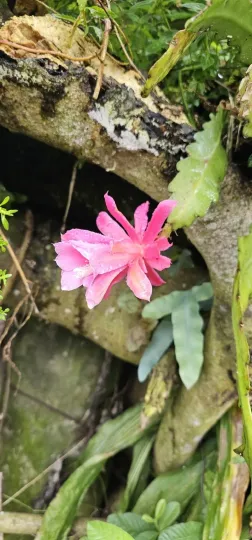
Description
Growing requirements
Disocactus phyllanthoides is a perennial epiphytic plant belonging to the Cactaceae family. Native to the tropical forests of Mexico, it naturally thrives in humid environments, often growing on tree branches or rocky crevices.
To cultivate this plant successfully, one must mimic its natural tropical habitat. It requires bright, indirect light, as direct sunlight can easily scorch its flat, leaf-like stems, which are characteristic of this species.
The ideal temperature range for active growth is between 20 and 25 degrees Celsius. During the dormant winter period, the plant benefits from a cooler environment, ideally around 12 to 15 degrees, to promote flowering the following season.
The potting medium must be well-draining, loose, and rich in organic matter. A mixture of peat, leaf mold, and coarse sand or perlite provides the necessary structure to prevent compaction while retaining sufficient moisture.
Maintaining high air humidity is essential for the health of the plant. Regular misting with tepid water or utilizing a humidity tray filled with pebbles and water can significantly improve the plant's vigor in arid indoor climates.
Main diseases and pests
Mealybugs and spider mites are the most common pests affecting this species. Spider mites, in particular, thrive in dry, warm conditions and can quickly damage the surface of the stems if left untreated.
Root rot is the most serious disease risk, almost always resulting from overwatering or inadequate soil drainage. It is crucial to allow the substrate to dry out partially between waterings to ensure the roots remain oxygenated.
Fungal pathogens such as Fusarium can attack the stems if water accumulates in the folds of the plant for extended periods. Proper ventilation is vital to prevent these infections from spreading rapidly.
Inconsistent watering schedules can lead to physiological stress, making the plant more susceptible to opportunistic infections. Monitoring the moisture levels closely is a fundamental part of proper agronomic practice.
- Routine inspection for pests in the stem crevices
- Strict adherence to drainage requirements
- Application of systemic insecticides for severe infestations