
Disocactus nelsonii
Disocactus nelsonii
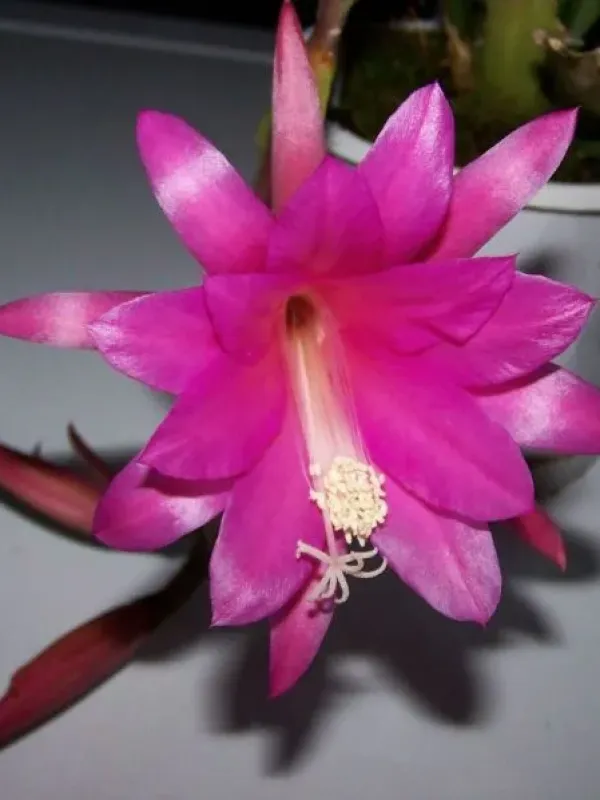
Description
Growing requirements
Disocactus nelsonii is a fascinating species belonging to the Cactaceae family. Native to the tropical forest regions of Mexico and Guatemala, this plant is an epiphyte, meaning it typically grows on trees rather than in soil, using its roots for stability and moisture absorption.
The cultivation of this species requires a setup that mimics its natural habitat. It thrives in bright, indirect light conditions. Direct sunlight is harmful and can scorch the flattened, leaf-like stems, causing permanent aesthetic and physiological damage to the plant.
Temperature requirements are fairly consistent, preferring a range between 18 and 25 degrees Celsius. It does not tolerate frost or extreme cold, making it exclusively an indoor or greenhouse plant in non-tropical climatic zones.
The substrate must be highly porous to ensure excellent drainage. A mix consisting of pine bark, perlite, peat moss, and organic leaf compost is ideal for preventing waterlogging and allowing roots to breathe, which is critical for all epiphytic species.
High relative humidity is essential for the healthy growth of Disocactus nelsonii. Regular misting of the foliage or the use of an ambient humidity tray is recommended, especially in indoor environments where air conditioning or heating systems reduce moisture levels.
Main diseases and pests
The most common pests affecting Disocactus nelsonii are mealybugs and spider mites. These pests thrive in dry conditions and can quickly colonize the joints and surfaces of the stems, causing the plant to lose vigor and develop discolored patches.
Root rot is the most significant disease, usually caused by overwatering or soil that retains too much moisture. Once the roots begin to rot, the plant becomes highly susceptible to opportunistic bacterial and fungal infections that spread rapidly.
Preventative care includes maintaining good air circulation around the plant to prevent the buildup of stagnant moisture. Inspecting the plant weekly for early signs of infestation allows for prompt intervention before an outbreak occurs.
When dealing with pest outbreaks, it is advised to use insecticidal soap or neem oil treatments, avoiding heavy chemicals that might damage the delicate skin of the cactus stems. Always test a small area first before treating the entire plant.
Keeping the plant healthy involves a balanced approach to watering and nutrition. Avoid nitrogen-heavy fertilizers during the resting period, as this can lead to weak growth that is more prone to environmental stress and opportunistic pathogens.