
Denmoza rhodacantha
Denmoza rhodacantha
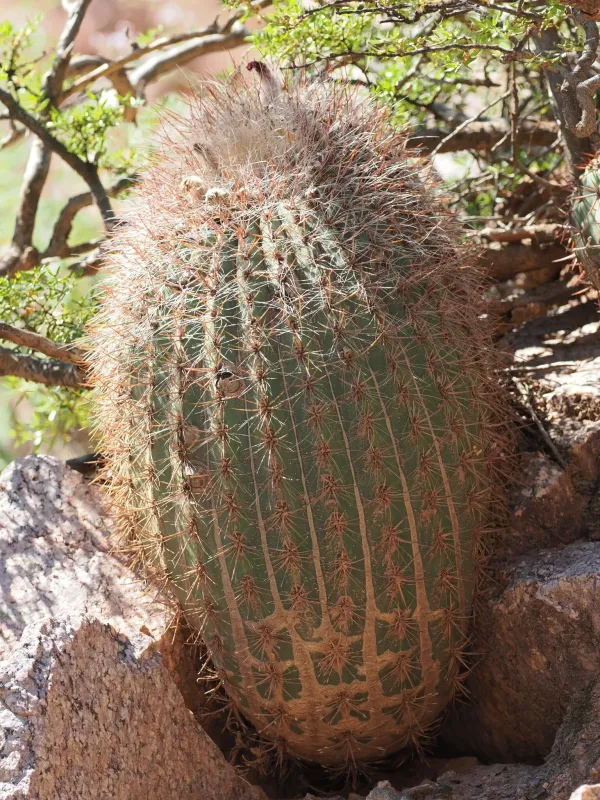
Description
Sowing dates
The propagation of Denmoza rhodacantha is primarily achieved through seeds sown in spring, utilizing a high-quality, free-draining substrate.
Seeds require warm temperatures, ideally between 22 and 25 degrees Celsius, to ensure optimal germination rates and early seedling vigor.
Maintaining high humidity within the seed tray is essential during the initial growth phase, often achieved through covered propagation containers.
Seedlings should be kept in a bright, indirect light environment to prevent etiolation before they develop their characteristic spines.
Transplanting seedlings should be done with care to avoid damage to the fragile root systems, which are prone to shock during the first year.
Growing requirements
Denmoza rhodacantha is a slow-growing cactus belonging to the Cactaceae family, native to the arid and rocky slopes of Argentina.
It thrives in full sunlight, which is necessary to maintain its compact, columnar shape and to encourage the development of strong, red-tinted spines.
The soil must be extremely porous, consisting of inorganic components like pumice, lava rock, and coarse sand to ensure perfect aeration.
Watering should be strictly regulated; during the summer months, it should be watered only when the soil has completely dried out.
During the winter dormancy period, the plant requires a cool and dry environment to prevent premature growth and potential fungal infections.
Main diseases and pests
Root rot, caused by excessive moisture and poor drainage, remains the most significant threat to the survival of this species.
Mealybugs are common pests that tend to hide within the dense spine clusters, making them difficult to detect and control.
Spider mites can cause significant surface damage, especially during periods of low humidity or inadequate ventilation.
Scales may occasionally infest the plant, requiring targeted applications of horticultural oils or systemic insecticides to eliminate.
Strict hygiene protocols and proper ventilation are the best defenses against common cactus pathogens and pest outbreaks.