
Blossfeldia liliputana
Blossfeldia liliputana
Description
Sowing dates
Seeds of Blossfeldia liliputana are extremely fine, often referred to as dust seeds. Sowing is best performed in early spring to take advantage of increasing daylight hours, which helps stimulate uniform germination and early development.
A sterile, fine-textured mineral substrate is essential for sowing. A mix of fine sand and a small amount of sifted peat works well to provide the necessary moisture retention while maintaining the porosity required for such tiny seedlings.
The seeds should be sown on the surface and never covered with soil. Covering the container with glass or plastic film creates a high-humidity environment, which is mandatory for the initial growth stages of these delicate cacti.
Maintaining a temperature range of 22–25 degrees Celsius is critical for success. Under these conditions, germination usually occurs within a few weeks, after which the humidity level should be gradually reduced to harden the seedlings.
Because they grow very slowly on their own roots, many growers opt for grafting seedlings onto more vigorous rootstocks. This technique ensures faster maturity and reduces the mortality rate commonly associated with delicate young seedlings.
Growing requirements
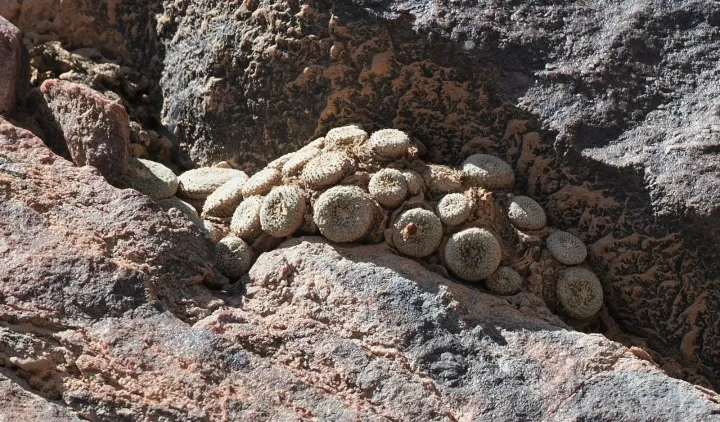
Blossfeldia liliputana belongs to the Cactaceae family and is recognized as one of the smallest cacti species in the world. Native to the Andes mountains in Argentina and Bolivia, it naturally inhabits steep rock crevices.
The plant thrives in bright, filtered light. Direct, harsh sunlight can damage its delicate epidermis, causing scorching, while too little light will lead to etiolation, which destroys the compact and natural form of the plant.
The potting soil must be extremely well-draining, mimicking the mineral-rich, stony environment of its native habitat. A mix of crushed rock, coarse sand, and a tiny fraction of organic matter provides the best results for healthy root growth.
Watering should be very careful, using the soak-and-dry method. During the growing season, allow the soil to dry out completely between waterings. In winter, the plant requires a cool, dry rest period at temperatures around 10–12 degrees Celsius.
Adequate air circulation is vital to prevent fungal issues. Blossfeldia is highly susceptible to rot if stagnant, humid air surrounds the plant for extended periods, so ensure the growing area has sufficient ventilation at all times.
Main diseases and pests
Root rot is the most common threat, primarily caused by overwatering or soil that retains too much moisture. Ensuring that the pot and the growing medium allow for rapid water drainage is the best defense against this issue.
Spider mites are frequent pests that thrive in dry environments. If detected, the plants should be treated with appropriate acaricides. Regular inspection of the plant's surface is necessary because the mites can hide in the small grooves of the cactus.
Mealybugs can also pose a risk, attaching themselves to the plant and feeding on its juices. Localized application of rubbing alcohol or systemic insecticides can effectively manage these pests before they spread to other plants in the collection.
Fungal infections can occur if the plant is kept too damp during its dormant phase. Maintaining a dry, cool winter environment helps prevent these pathogens from taking hold and damaging the cactus structure.
Preventative care through proper sanitation of pots and tools is essential. Since Blossfeldia is a slow grower, any damage to the tissue is long-lasting, making early detection and prevention the most effective management strategy.