
Aylostera pygmaea
Aylostera pygmaea
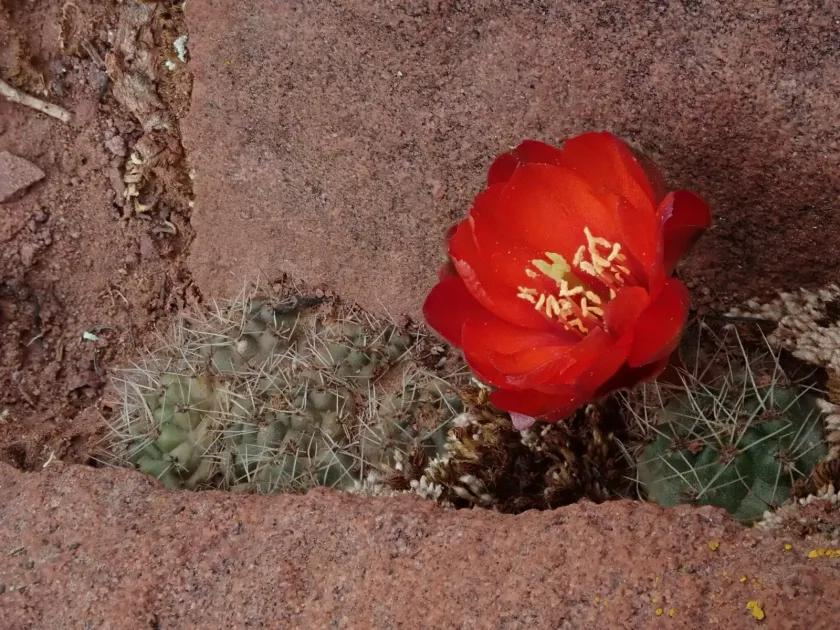
Description
Sowing dates
Sowing Aylostera pygmaea seeds is best performed during the early spring months. March and April provide the ideal light intensity necessary for initial seedling development.
Use wide, shallow containers equipped with effective drainage holes. The growing medium should consist of a mix of sterile peat, volcanic grit, and coarse sand for aeration.
Seeds should be sown on the surface and pressed gently into the substrate without covering them too deeply, as they require a certain amount of light to trigger germination.
Maintain a stable temperature range of +20 to +25 degrees Celsius. Covering the container with transparent plastic helps maintain the required humidity for early stages.
Once seedlings emerge, gradual acclimatization is necessary. Remove the cover progressively over several days to allow the plants to adjust to standard ambient humidity.
Growing requirements
Aylostera pygmaea is a distinct member of the Cactaceae family, natively inhabiting high-altitude regions. It prefers high-intensity light and benefits from good air circulation.
The substrate must be highly inorganic, well-draining, and slightly acidic. Avoid heavy soils that retain moisture, as they can lead to suffocation of the delicate root system.
Watering should be conducted cautiously, allowing the soil to dry out completely between applications. During hot summer days, ensure the plant receives enough light to avoid elongation.
A significant diurnal temperature drop is beneficial for this species, mimicking its natural environment. It helps in maintaining the compact shape and health of the stem.
A cool, dry dormancy period during winter, with temperatures around +5 to +10 degrees Celsius, is essential to stimulate the production of buds for the following season.
Main diseases and pests
Root rot is the most frequent threat, usually caused by overwatering or poor drainage. Once established, this condition can cause the rapid collapse of the entire specimen.
Spider mites are common pests that thrive in dry indoor conditions. They feed on the epidermis of the cactus, leaving behind thin webs and characteristic pale spots.
Mealybugs can cluster in the crevices between the tubercles, draining the plant's sap. Use systemic pesticides or targeted treatments to remove these insects effectively.
Fungal infections often appear as dark, spreading lesions on the stem. Keeping the plant environment hygienic and using sterile soil components are the best preventive strategies.
- Regular inspection of the root zone during repotting.
- Avoid stagnant water in the saucer.
- Use mineral-based fertilizers with low nitrogen content.