
Aylostera pulvinosa
Aylostera pulvinosa
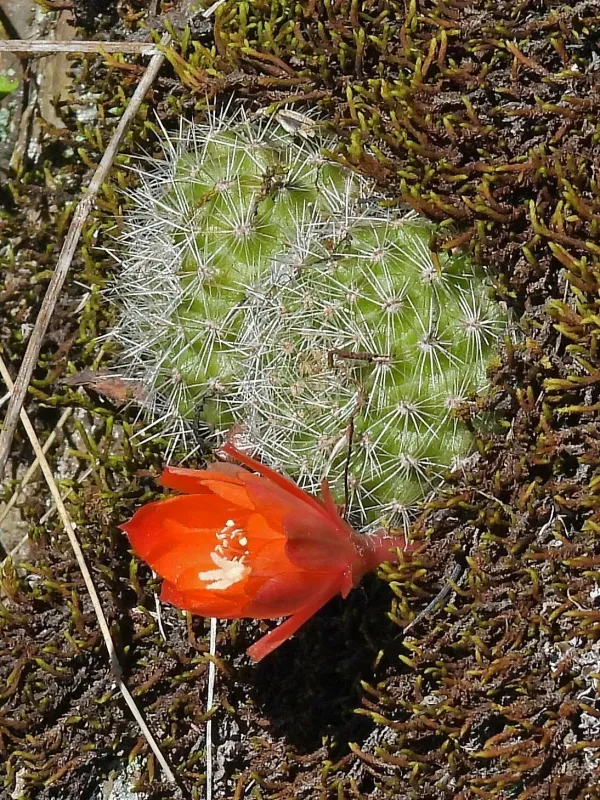
Description
Sowing dates
Sowing seeds of Aylostera pulvinosa is best conducted in early spring to take advantage of increasing daylight hours. The seeds require stable temperatures between 20–25 degrees Celsius for optimal germination.
A light, porous substrate is essential, ideally composed of fine sand, perlite, and a small amount of peat. The soil should be kept lightly moist, as waterlogged conditions will quickly destroy the seeds.
It is recommended to cover containers with transparent film to maintain high humidity during the initial sprouting phase. Providing adequate ventilation is critical to prevent damping-off diseases and fungal growth.
Once seedlings emerge, the covering should be removed gradually to acclimate the plants to the ambient room air. High-intensity light should be provided, but direct sun should be avoided until plants are older.
Pricking out the seedlings into individual pots is performed once they are large enough to handle. Young cacti grow relatively slowly, requiring patience during the first year of cultivation.
Growing requirements
Aylostera pulvinosa belongs to the Cactaceae family and originates from the high-altitude regions of Bolivia. As an alpine succulent, it is well-adapted to environments with intense UV radiation and temperature fluctuations.
For successful growth, this species requires a location with maximum sunlight, preferably on a south-facing windowsill. Insufficient light results in etiolated, weak growth and a lack of proper flowering.
The soil should be strictly mineral-based, offering excellent drainage. A mix of pumice, grit, and sandy loam provides the necessary aeration for the root system, preventing compaction and rot.
Watering must be regulated strictly by the growth cycle: water thoroughly during spring and summer once the substrate is completely dry, but maintain near-total dryness during the winter dormancy period.
To encourage prolific flowering, the plant requires a cool winter rest period with temperatures between 5 and 10 degrees Celsius. Without this rest, the cactus will not set buds for the following season.
Main diseases and pests
Red spider mites are the most common pest, especially in dry, warm indoor conditions. These pests cause discoloration and permanent damage to the cactus epidermis if left untreated.
Effective control involves the use of specialized acaricides. Maintaining a clean growing environment and monitoring plants for fine webbing are essential strategies for early detection and prevention.
Root rot is the most serious disease risk, almost always caused by overwatering or poor drainage. Cold temperatures combined with moist soil are a lethal combination for this species.
Prevention relies on using high-quality drainage materials and ensuring that the pots have sufficient holes at the base. Proper airflow around the plants helps to keep the soil surface dry.
In cases of infection, plants should be unpotted to check the root system. Any blackened or mushy tissue must be removed using a sterilized blade, and the remaining healthy parts should be repotted in fresh, dry soil.