
Aylostera muscula
Aylostera muscula
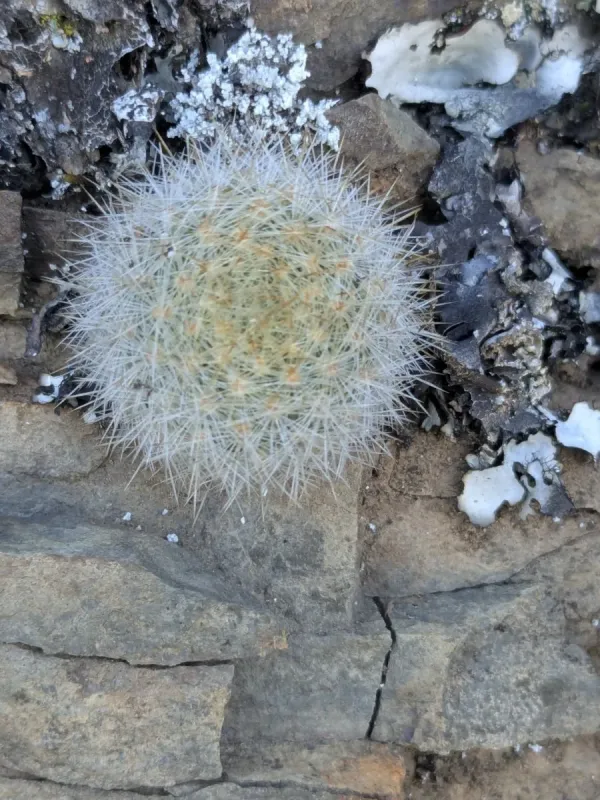
Description
Sowing dates
Propagation of Aylostera muscula in decorative plant cultivation is most commonly carried out by seeds or by separating offsets. Sowing seeds is usually performed in the spring period.
A light, well-draining substrate consisting of sand and leaf mold is used for sowing. A crucial condition is maintaining a stable temperature between 20 and 25 degrees Celsius.
Containers with seeds are covered with glass or transparent film to create a greenhouse effect. Seedlings require regular ventilation to avoid the development of fungal diseases.
Pricking out young seedlings is conducted when they reach a size that allows for safe transplantation. During the first year of life, plants require special attention to the soil moisture level.
In vegetative propagation, offsets are carefully separated from the mother plant, allowed to dry for a few days, and then planted in a moist substrate.
Growing requirements
Aylostera muscula belongs to the Cactaceae family and naturally inhabits the high-altitude regions of Bolivia. This culture requires conditions that are as close as possible to natural mountain plateaus.
The plant prefers bright but diffused lighting. Direct sunlight during the noon hours can cause burns, so shading is recommended during hot months.
The soil mixture should have a neutral or slightly acidic reaction. A mandatory requirement is the presence of a high-quality drainage layer at the bottom of the pot to divert excess moisture.
During the growing season, watering should be moderate, performed when the top layer of the soil has dried out. In winter, the plant needs a dormancy period at 5–10 degrees with almost no water.
Good air circulation is a critical factor for preventing moisture stagnation in the root zone and the plant stem.
Main diseases and pests
The main threat to this crop is excessive moisture, which leads to the rotting of the root system and the base of the stem. This often happens due to incorrect watering during the winter season.
Among pests, the spider mite poses the greatest danger, as it actively reproduces in low humidity. Regular inspections allow for the detection of an infestation at an early stage.
Attacks by mealybugs, which accumulate in the axils of the spines, are also possible. Specialized systemic insecticides or wiping with alcohol solutions are used to combat them.
The root mealybug is a hidden enemy that can only be detected during repotting. If infested, the root system should be washed and treated with appropriate preparations.
Prevention includes quarantine for new plants and maintaining cleanliness in the area where the cactus collection is kept.