
Aylostera fulviseta
Aylostera fulviseta
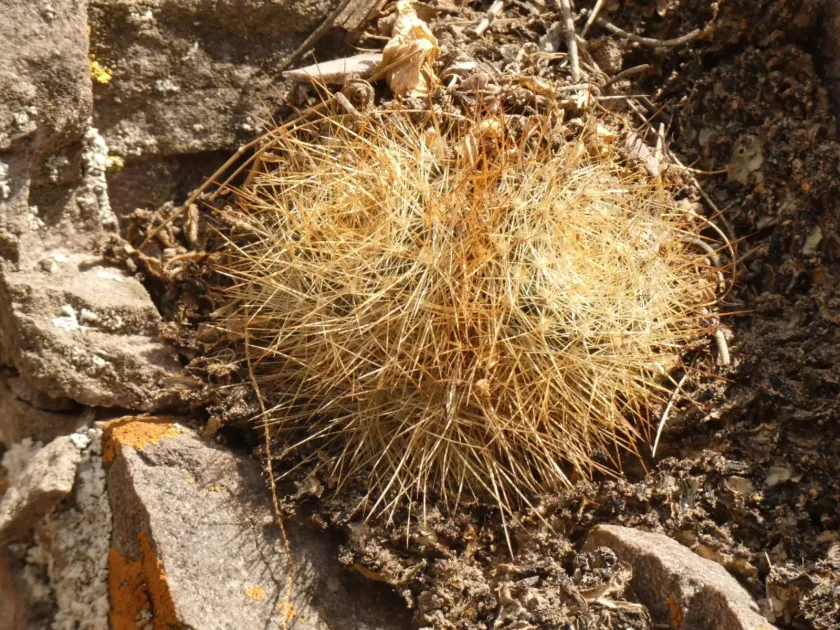
Description
Sowing dates
Propagating Aylostera fulviseta is best achieved through seeds, which should be sown during the spring season to maximize the benefits of increasing daylight hours for young seedlings.
The sowing medium must be sterile and highly porous, typically consisting of a mix of sand, pumice, and a small amount of peat. Keeping the substrate consistently moist is essential during the initial germination phase.
Temperature management is critical, with an ideal range between 20 to 25 degrees Celsius. Covering the tray with transparent plastic helps maintain the necessary humidity levels.
Once seedlings have developed their primary spines, they should be gradually acclimated to lower humidity levels to prevent damping-off diseases and promote stronger growth.
Transplanting seedlings to individual pots should be done carefully to avoid damaging the delicate root systems, ensuring each pot has adequate drainage holes.
Growing requirements
Aylostera fulviseta belongs to the Cactaceae family and originates from the high-altitude regions of Bolivia. It thrives in bright, direct sunlight, which is necessary to maintain its compact form and vibrant flowering.
The soil requirements focus on mineral-heavy mixtures that do not retain water. A standard cactus mix supplemented with grit or coarse gravel provides the best results for preventing root rot.
Watering should be practiced following the soak-and-dry method. During the active growing season, wait until the soil is completely dry before providing water, and reduce watering drastically in the winter.
A dormant period with cooler temperatures (between 5 and 10 degrees Celsius) is vital for the plant to reset its metabolism and trigger bud formation for the following season.
Providing good airflow is equally important as light levels, as stagnant air can create a microclimate that invites pests or fungal infections even in dry conditions.
Main diseases and pests
Spider mites are a common threat, particularly in dry and poorly ventilated environments. They can cause scarring on the epidermis, which detracts from the plant's aesthetic value.
Mealybugs are another potential nuisance that can infest the plant, hiding between the tubercles and the dense spines, making them difficult to spot and treat early.
Root rot is the most serious disease risk, caused by overwatering or insufficient drainage. Once the roots are compromised, the plant may collapse rapidly.
Regular inspections are necessary to ensure early detection. Treatment involves using suitable pesticides or removing the affected parts if the infestation is localized.
Cultural hygiene, including keeping the growing area clean and isolating new plants before introducing them to the main collection, is the best strategy for long-term health.