
Aylostera flavistyla
Aylostera flavistyla
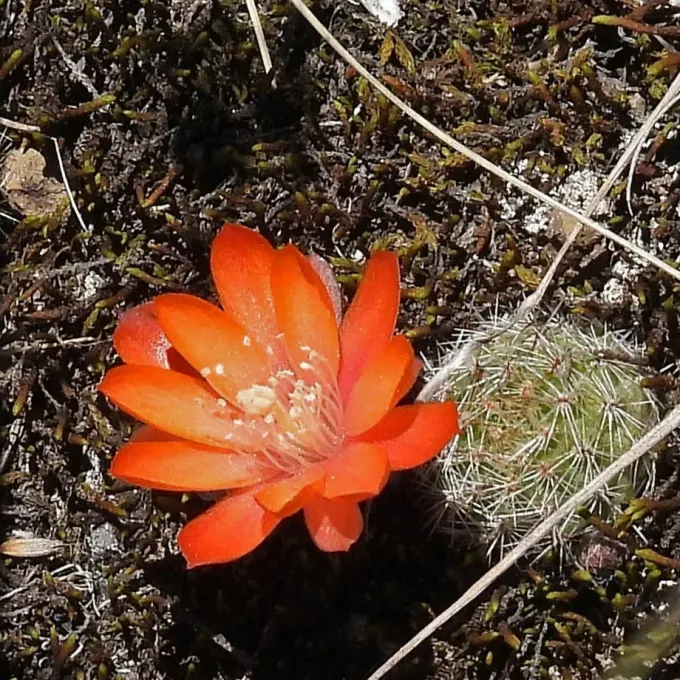
Description
Sowing dates
Sowing seeds of Aylostera flavistyla is best performed in early spring to take advantage of increasing daylight hours. A temperature range of 20–25 degrees Celsius is optimal for achieving high germination rates.
The growing medium must be highly permeable, sterile, and slightly acidic to support delicate seedlings. Using a specialized cactus soil mix amended with additional perlite or coarse sand is recommended to prevent waterlogging.
Seedlings should be kept in a high-humidity environment by covering the container with a plastic lid or glass. Constant monitoring of soil moisture is required, ensuring it stays damp but never waterlogged during the initial stages.
As the seedlings emerge, ventilation should be introduced gradually to harden them off. Removing the cover slowly prevents the young plants from experiencing severe dehydration or sudden stress.
Pricking out or transplanting the seedlings into individual small pots should occur once they reach a robust size, typically after their first year of growth, to encourage deeper root system development.
Growing requirements
Aylostera flavistyla is a member of the Cactaceae family, native to the rugged terrains of Bolivia, which dictates its need for high light intensity. It thrives best in bright, indirect light, though it can handle gentle morning sun to maintain its compact, spherical shape.
During the growing season, a temperature range between 20 and 25 degrees Celsius is ideal. However, a distinct cooling period during winter, with temperatures between 8 and 12 degrees, is essential to induce flowering in the spring.
Watering practices must be disciplined, following the "soak and dry" method. The substrate should be allowed to dry out completely between irrigation cycles to prevent the roots from rotting in stagnant moisture.
The soil should be a porous, well-draining mineral-based mix. Incorporating pumice, sharp sand, or crushed volcanic rock ensures that excess water drains away quickly, mimicking the natural rocky slopes of their habitat.
This species is highly valued for its striking, bright golden spines that densely cover the green body, often blooming with vibrant flowers during the peak of the growing season.
Main diseases and pests
Spider mites are the most common pests, especially when the indoor air is kept too dry. Routine inspections of the cactus body and occasional misting (in non-flowering stages) or the use of acaricides can control these infestations.
Root mealybugs can silently attack the root system, leading to stunted growth and loss of vigor. If detected, treating the soil with a systemic insecticide is necessary to eliminate the pest colony effectively.
Rot, specifically basal or root rot, is the primary threat to the health of the plant, almost always caused by overwatering. Ensuring the soil is completely dry before adding more water is the best form of preventative care.
Fungal infections can manifest as discolored spots on the skin of the plant, often due to poor air circulation. Improving airflow and maintaining a clean environment are crucial for keeping the plant disease-free.
- Spider mites
- Root mealybugs
- Root rot
- Fungal skin infections