
Aylostera fiebrigii
Aylostera fiebrigii
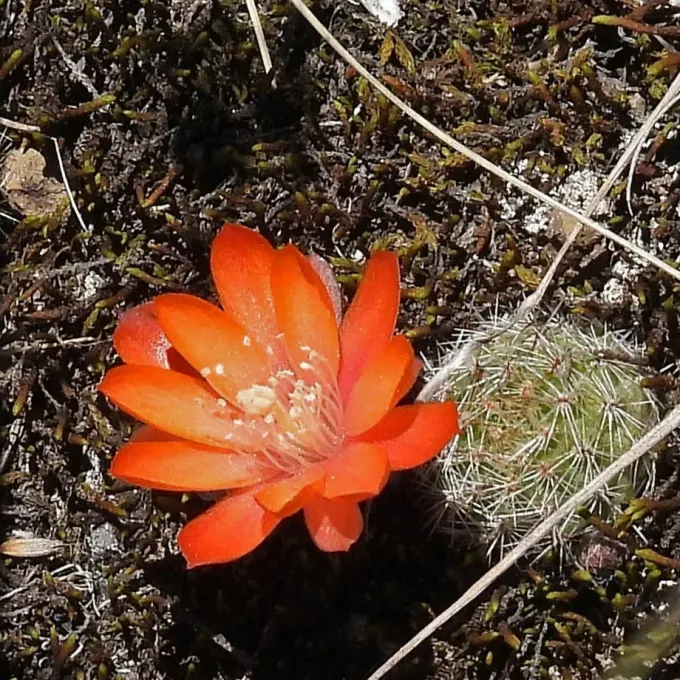
Description
Growing requirements
Aylostera fiebrigii is a fascinating cactus species belonging to the Cactaceae family, native to the high-altitude regions of Bolivia. Its botanical structure is characterized by a globular to cylindrical body covered in dense, fine spines, which provides excellent protection against harsh mountain winds and intense sunlight.
Successful cultivation requires a highly porous and inorganic soil mix. A suitable substrate is typically composed of coarse sand, pumice, and grit, ensuring that water drains quickly from the container and does not remain trapped around the roots, as moisture is the greatest enemy of this species.
Light intensity plays a crucial role in the development of this cactus. To thrive, Aylostera fiebrigii needs a location with high exposure to direct sunlight. When grown indoors, a south-facing window is essential to mimic its natural environment and promote the growth of its signature dense spine cover.
Temperature management is another vital aspect of its agrotechnology. While the plant tolerates summer heat well, it requires a cool, dry winter dormant period. During this time, temperatures should be kept between 5 and 10 degrees Celsius to trigger the blooming process in the following spring.
The primary economic use of this plant is in the ornamental horticulture industry. It is highly valued by collectors for its ability to produce large, vibrant flowers at a relatively young age, making it an excellent candidate for small-scale cultivation and specialized plant retail.
Main diseases and pests
Root rot is the most common threat to this species, typically caused by overwatering or inadequate soil aeration. If the roots remain wet for too long, the plant tissue begins to decompose, leading to irreversible damage that can destroy the specimen very quickly.
Spider mites are common pests that thrive in the arid conditions preferred by cacti. They attack by sucking cell sap, leading to stunted growth and visible surface damage. Regular inspections and the use of appropriate acaricides are recommended to manage mite populations effectively.
Mealybugs are another significant threat that hides in the crevices between the cactus ribs. These insects produce a waxy white substance that protects them, making manual removal and chemical treatment necessary to prevent them from spreading throughout a collection.
Preventive maintenance includes keeping the growing area well-ventilated and ensuring the substrate is completely dry before adding any water. Cleanliness of tools and pots also prevents the introduction of fungal spores into the growing medium during repotting processes.
If an infestation or fungal infection is detected, the affected specimen should be isolated immediately. Treatment should involve removing the contaminated soil, applying fungicides or insecticides as needed, and allowing the plant to recover in a well-lit, dry environment before returning it to the main collection.