
Aylostera atrovirens
Aylostera atrovirens
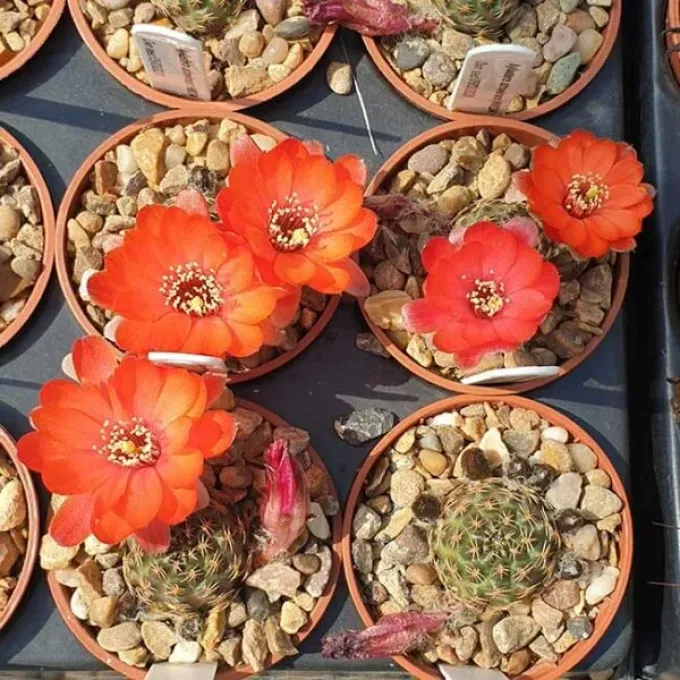
Description
Growing requirements
Aylostera atrovirens is a small-sized succulent species belonging to the Cactaceae family. Originating from the high-altitude regions of South America, specifically Bolivia and Argentina, this plant has adapted to harsh environmental conditions with distinct diurnal temperature fluctuations.
The botanical structure of the plant features a globular or short-columnar stem adorned with radial and central spines. The species is highly valued in the horticultural industry for its spectacular and prolific flowering habit, producing vibrant blossoms that often emerge from the sides of the stem.
For optimal growth, the species requires intense light conditions, similar to its natural alpine habitat. Placing the plant in a bright location with sufficient airflow is crucial to prevent etiolation and ensure the development of a healthy, compact stem structure.
The cultivation medium must be highly porous and mineral-based. A specialized substrate for cacti, consisting of a mix of coarse sand, perlite, and grit, is necessary to facilitate rapid drainage and prevent the accumulation of moisture, which is vital for root health.
Temperature management is a key aspect of agricultural practice for this species. During the active growing season, standard room temperatures are ideal, while a cool winter dormancy period, ranging between 5°C and 10°C, is required to stimulate the formation of flower buds.
Main diseases and pests
Root rot is the most common physiological disorder caused by excessive moisture. Water-logged soil creates an anaerobic environment that leads to the decay of the root system and the eventual collapse of the entire cactus plant.
Spider mites are a significant pest that thrives in warm, dry environments. These microscopic pests feed on the epidermis of the stem, leaving behind discolored patches and weakening the plant's structural integrity if left untreated.
Mealybugs represent another common threat, often settling in the crevices between the tubercles of the cactus. Their presence is indicated by a white, waxy substance, and they can be controlled with systemic insecticides or manual removal.
Fungal infections, such as those caused by Fusarium or Phytophthora, can become problematic under high humidity conditions combined with poor ventilation. Maintaining good air circulation is essential for the long-term health of the plant.
Root mealybugs can go unnoticed for long periods because they inhabit the soil around the roots. Regular monitoring of the root ball during repotting is an effective strategy to detect and eradicate these pests before they inflict severe damage.