
Aylostera albopectinata
Aylostera albopectinata
Description
Growing requirements
Aylostera albopectinata is a unique succulent species belonging to the Cactaceae family. It is native to the rugged mountainous regions of South America, specifically adapted to thrive in high-altitude conditions of Bolivia and surrounding areas.
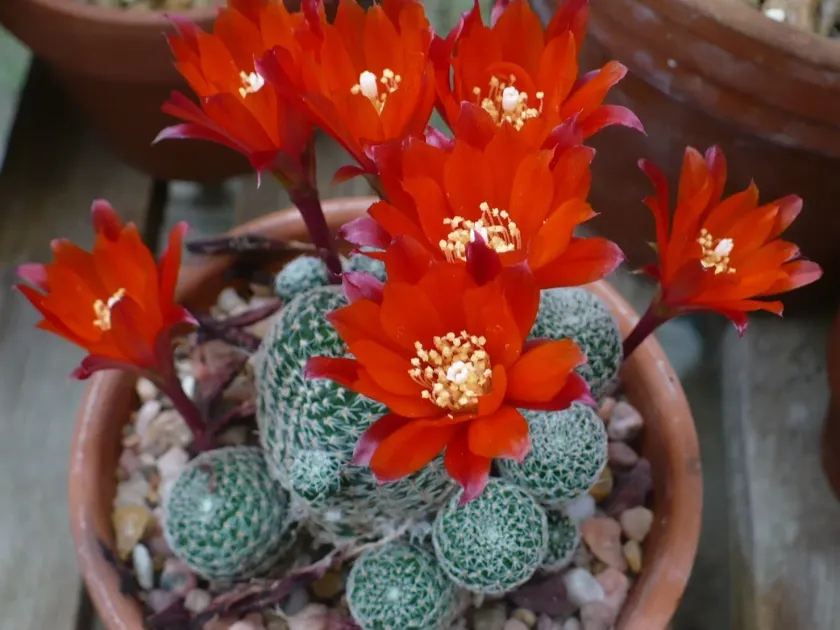
Botanically, this plant is characterized by its globose stem protected by dense, pectinate white spines. These spines are arranged in a comb-like pattern, which serves as a natural mechanism to reflect harsh sun rays and minimize water loss through transpiration.
Successful cultivation requires a highly porous, mineral-based substrate that allows rapid drainage. A mixture of grit, sand, and a small amount of organic loam is ideal for preventing water retention that the roots of this species cannot tolerate.
The plant demands high levels of light throughout the growing season to maintain its compact shape and healthy spine density. During the winter, it enters a dormant phase and requires a cool, dry environment with temperatures ideally between 5 and 10 degrees Celsius.
This species is primarily cultivated for ornamental purposes in private collections. Its main horticultural appeal lies in its prolific blooming capacity, producing large, showy, funnel-shaped flowers that emerge from the base of the stem during the growing season.
Main diseases and pests
Root rot is the most common threat to Aylostera albopectinata, caused primarily by overwatering or poor drainage. Once root decay occurs, it is very difficult to save the specimen, making preventative drainage measures essential.
Spider mites represent the primary pest challenge, especially in low-humidity environments. These tiny pests suck sap from the stem, leading to discolored patches and potential damage to the skin, which can eventually lead to secondary fungal infections.
Mealybugs are another common pest that tends to hide deep within the dense spines, making early detection difficult. Regular inspection of the plant's surface is necessary to identify and treat infestations before they become severe.
Sunburn can occur if the plant is moved from a low-light area to direct sunlight too suddenly. It is crucial to gradually acclimate the plant to higher light levels to ensure the epidermis remains healthy and free of permanent scarring.
Inadequate airflow in greenhouse or home environments may promote mold growth, particularly during the transition between the dormant winter season and the active growing period. Ensuring adequate ventilation helps maintain the plant's overall vitality.