
Aylostera albiflora
Aylostera albiflora
Description
Growing requirements
Aylostera albiflora is a miniature cactus species belonging to the Cactaceae family, native to the rugged mountainous terrain of Bolivia. This plant is highly prized by hobbyists for its prolific white blooms and compact, clustering growth habit.
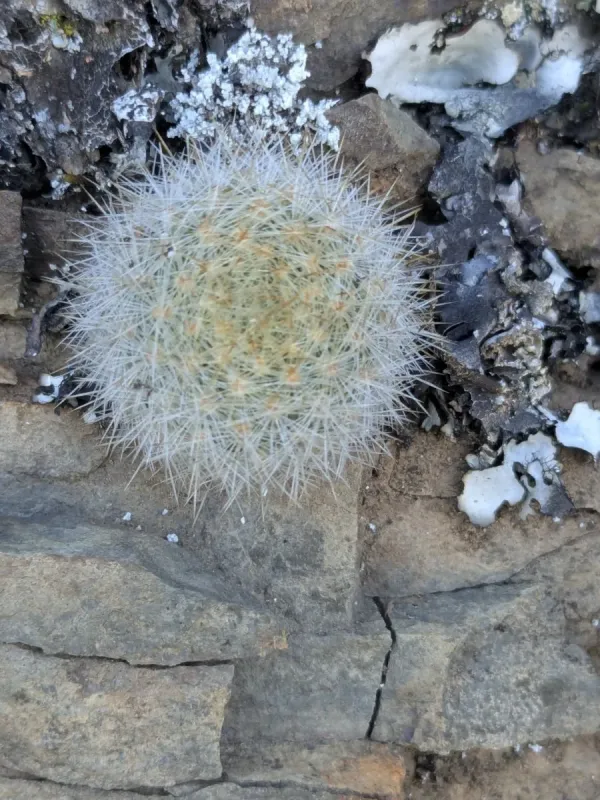
Botanically, this species is defined by its small, globular stems densely covered in soft, white spines. As the plant matures, it forms dense clusters, making it an excellent choice for rock gardens or small ornamental pots in indoor collections.
The cultural requirements demand a highly porous and gritty soil mix to ensure rapid drainage. A substrate consisting of coarse sand, pumice, and a minimal amount of organic potting soil provides the best environment to prevent root suffocation.
Bright, direct sunlight is essential for maintaining the plant's natural shape and promoting flower production. However, protection from the most intense noon sun in high-summer conditions is recommended to prevent scarring of the epidermis.
Temperature management is key, with a requirement for a distinct winter rest period. During this time, temperatures should be kept between +5°C and +10°C, and the plants must remain dry to successfully initiate the blooming process the following spring.
Main diseases and pests
Excessive moisture is the primary threat to Aylostera albiflora, often leading to rapid root decay. It is imperative to allow the substrate to dry out completely before administering the next watering session.
Spider mites are a common pest, particularly in environments with poor airflow. These tiny pests suck sap from the stem, causing discoloration and damaging the aesthetics of the plant if left unchecked.
Mealybugs are another common nuisance that can hide in the dense spines. They can be treated with systemic insecticides or by spot-treating the affected areas with a cotton swab dipped in isopropyl alcohol.
Root aphids pose a hidden danger, as they infest the root system below the soil surface. Regular repotting and the use of sterile, high-quality mineral substrates significantly reduce the likelihood of such infestations.
Fungal infections, such as stem rot, are typically triggered by low light combined with high humidity. Proper ventilation and a clean environment are essential to protect the cactus from these opportunistic diseases.