
Ariocarpus retusus
Ariocarpus retusus
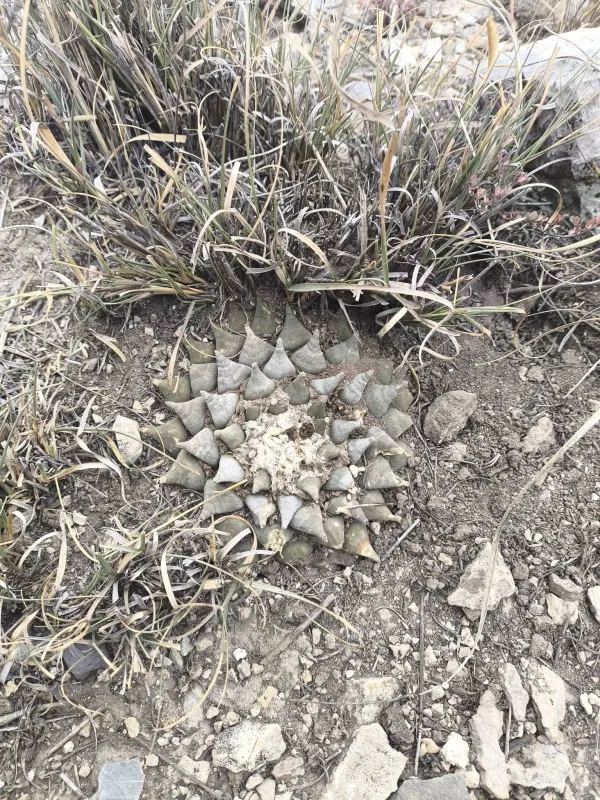
Description
Sowing dates
Sowing seeds of Ariocarpus retusus requires creating specific environmental conditions to ensure high germination rates. The optimal time for sowing is considered to be late spring, when ambient temperatures remain stable at 25-30 degrees Celsius.
Seeds are sown in a sterile, slightly acidic substrate consisting of a mixture of sand, fine gravel, and a small amount of leaf soil. Ensuring good aeration of the soil mixture is crucial to prevent water stagnation around young seedlings.
Seed trays should be covered with glass or transparent film to maintain the high humidity required during the first weeks of the plant's life. Gradual acclimatization to drier air should only begin several months after germination occurs.
Success largely depends on using fresh seeds, as their viability decreases significantly after one year of storage. The germination process can be prolonged and requires patience and regular moisture control from the grower.
Pricking out young plants must be done with extreme caution, as the root system of Ariocarpus is very sensitive to mechanical damage. Transplantation is recommended no more than once every 2–3 years into pots equipped with a quality drainage layer.
Growing requirements
Ariocarpus retusus belongs to the Cactaceae family and naturally inhabits rocky, limestone-rich soils in Mexico. The plant is characterized by an extremely slow growth rate, making it a highly prized specimen for dedicated collectors.
For healthy development, the crop requires bright solar lighting, but must be protected from intense midday sun during the summer. In winter, the plant requires a dormant period in a dry area at temperatures around 10–12 degrees Celsius.
Soil requirements include excellent drainage, as any water retention triggers decay in the plant's large taproot. The substrate should be mineral-based with minimal organic content to mimic the plant's natural habitat.
Watering must be strictly measured and cautious: during the active growing season, moisture should only be provided after the soil ball has dried out completely. Excess moisture is the primary critical factor leading to rapid plant death.
In its native range, Ariocarpus often remains partially buried in the ground as an adaptation to drought and extreme sun. When cultivating, it is essential to simulate semi-desert conditions, including providing significant temperature fluctuations between day and night.
Main diseases and pests
The primary threat to the health of Ariocarpus retusus is root rot, which occurs due to improper watering regimes or unsuitable substrate choice. Fungal infections spread rapidly through the fleshy stem, making treatment nearly impossible once symptoms appear.
Among pests, mealybugs and spider mites pose the greatest threat. These insects often hide within the folds of the stem, sucking sap from the plant and weakening its natural resistance to secondary infections.
Pest prevention involves regular inspection of the plant's epidermis, especially during seasonal transitions. If colonies are detected, localized application of specialized systemic insecticides is recommended to prevent chemical burns on the plant surface.
Incorrect lighting levels lead to stem etiolation, rendering the plant vulnerable to external stressors. The plant loses its natural compact shape and structural density, becoming soft and highly susceptible to subsequent rotting.
Salt accumulation in the soil caused by hard water usage also negatively impacts the root system's function. It is strongly recommended to water the plant only with purified, distilled, or rainwater containing low levels of mineral impurities.