
Ariocarpus kotschoubeyanus
Ariocarpus kotschoubeyanus
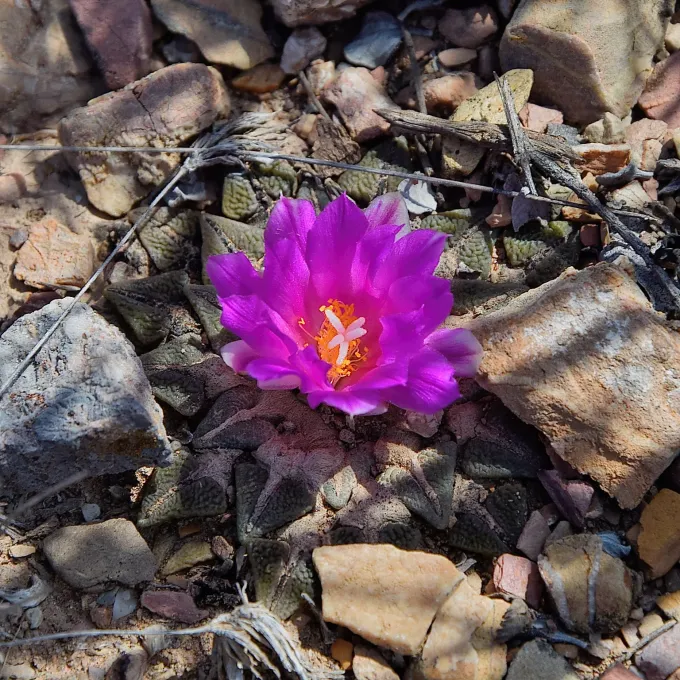
Description
Sowing dates
Sowing Ariocarpus kotschoubeyanus seeds requires meticulous preparation and strict adherence to sterilization protocols. The optimal time for sowing is spring, providing the necessary light intensity for seedling development.
Seeds should be sown in a fine-textured, inorganic substrate mixture that has been heat-sterilized. Maintaining a steady temperature between 22–25 degrees Celsius and high humidity under a transparent cover is essential for successful germination.
Germination is often slow and erratic, which is a characteristic trait of the genus. Patience is required, as the initial growth stages are extremely fragile and sensitive to environmental changes.
Seedlings should not be pricked out for at least one year until they are sufficiently robust. Careful handling of the delicate root system during the first transplant is critical for long-term survival.
Grafting onto vigorous rootstocks like Echinopsis is a common practice among enthusiasts to bypass the slow juvenile growth phase and encourage faster maturation.
Growing requirements
This species belongs to the Cactaceae family and is recognized as a specialized geophyte adapted to arid environments. It is native to the calcareous soils of central and northern Mexico.
Cultivation requires a highly mineralized soil substrate, featuring a significant proportion of gravel, crushed rock, and perlite. The medium must provide rapid drainage to prevent moisture stagnation around the root collar.
Bright, filtered sunlight is necessary throughout the growing season to ensure proper formation and hardening of the stem. Direct, intense midday sun in summer should be avoided to prevent thermal damage.
Watering must be strictly regulated and only applied during the active growth phase when the substrate is completely dry. A dry, cool winter dormancy period is essential for the plant's biological cycle.
Effective ventilation is critical to ensure proper gas exchange and to prevent the buildup of humidity, which can lead to fungal infections and etiolation of the stem tissue.
Main diseases and pests
Root rot is the most significant threat, often resulting from improper watering frequency or poor drainage of the potting medium. Once established, it is difficult to treat effectively.
Mealybugs are the primary pest affecting this species, often hiding in the deep folds of the tubercles. Regular inspections and the use of systemic insecticides are standard control measures.
Spider mites can cause significant damage to the skin of the plant, especially in low-humidity environments. Preventive spraying with appropriate acaricides helps maintain plant health.
Root nematodes can cause gall formations on the roots, severely inhibiting nutrient uptake. Using fresh, sterilized soil for every transplant is the best way to prevent infestation.
- Use of grit in top-dressing for root collar protection.
- Sterilization of all potting materials.
- Strict adherence to the winter rest period.