
Ariocarpus bravoanus
Ariocarpus bravoanus
Description
Growing requirements
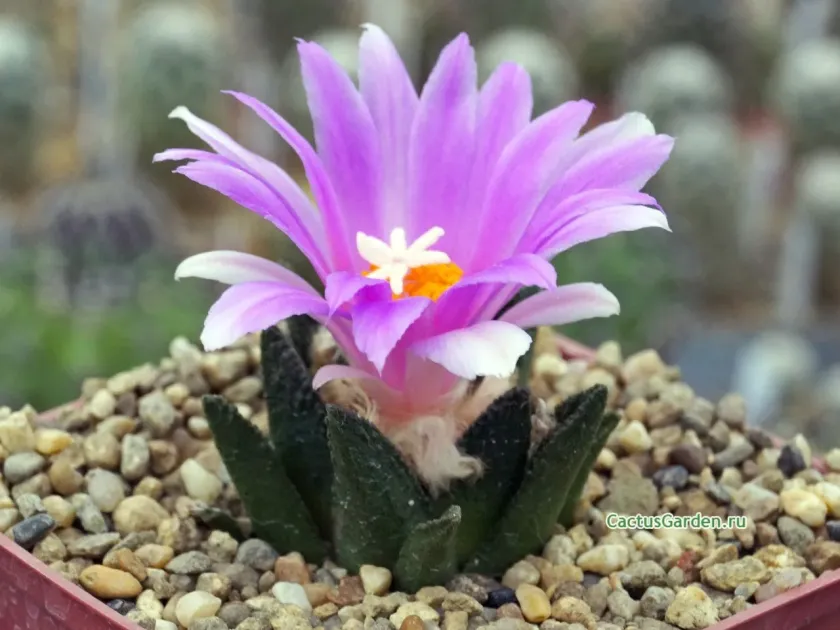
Ariocarpus bravoanus is a unique species of succulent belonging to the Cactaceae family. This rare plant is endemic to specific limestone-rich regions in Mexico, where it has evolved to thrive in extremely arid and harsh environmental conditions.
The plant is characterized by a flattened, rosette-like body composed of thick, triangular tubercles. It is highly adapted to drought, with its main stem often retracting partially into the ground during dry seasons to conserve moisture and protect itself from intense heat.
Cultivation requires a highly porous mineral substrate. A suitable mix includes coarse sand, perlite, and fine gravel, as the roots are extremely sensitive to organic matter that holds moisture. Drainage must be perfect to prevent any possibility of water accumulation.
Optimal environmental conditions involve bright, filtered light and a warm temperature range during the active growing season. During the winter, Ariocarpus bravoanus requires a strict dormancy period in a dry, cool environment, ideally between 10 to 15 degrees Celsius.
The plant is primarily used in specialized hobbyist collections and botanical gardens. Due to its slow growth rate and limited natural habitat, it is highly valued by enthusiasts who cultivate it as a collector's item, often through seed propagation or grafting.
Main diseases and pests
The primary threat to the health of Ariocarpus bravoanus is root rot, which occurs when the substrate remains damp for too long. Excessive watering, combined with poor ventilation, is almost always fatal to this species.
Mealybugs are the most common pests, often hiding deep within the crevices between the tubercles. These pests can cause significant damage if left untreated, as they extract nutrients and introduce viral or fungal infections to the plant tissue.
Spider mites are another common issue, especially in greenhouse environments with low humidity. They can cause scarring on the epidermis, which, due to the cactus's slow growth, will remain visible for many years.
To prevent disease, it is essential to ensure consistent air circulation around the plants. Regular inspection of the stem and the base of the plant is recommended to detect any signs of infestation or fungal activity early.
Chemical control should be approached with caution, as the plant's slow metabolism means it reacts slowly to treatments. Using systemic insecticides during the growing season is generally more effective than contact-based pesticides.