
Ariocarpus agavoides
Ariocarpus agavoides
Description
Sowing dates
Ariocarpus agavoides is a slow-growing species within the Cactaceae family. In their native habitat, seeds germinate during the spring when the seasonal rains arrive, providing the necessary moisture and temperature shifts for the embryos to emerge from their dormancy.
In a controlled agricultural setting, sowing requires specialized, sterilized inorganic substrates. Maintaining a temperature range between 22 and 25 degrees Celsius is critical, combined with consistent humidity until germination occurs.
Because seedlings develop at an extremely slow rate, grafting onto fast-growing rootstocks, such as Echinopsis or Pereskiopsis, is a common practice. This technique allows for significantly faster vegetative growth and reaching a mature, showy size in a shorter timeframe.
Seed viability is relatively short-term, typically lasting up to two years under proper cool and dry storage conditions. Growers are advised to use the freshest seeds possible to ensure high germination rates and seedling vigor.
Pricking out the young plants is a delicate task that should be deferred for at least a year. Protecting small seedlings from intense direct sunlight is mandatory, as their epidermis is fragile and prone to severe scorching.
Growing requirements
Originating from the semi-arid regions of Mexico, particularly the states of Tamaulipas and Nuevo Leon, Ariocarpus agavoides is highly specialized for environments with severe water scarcity and high solar exposure.
The cultivation medium must prioritize drainage. An ideal substrate consists of a mixture of coarse sand, crushed brick, and volcanic rock. Organic material should be kept to an absolute minimum to prevent water retention and root rotting.
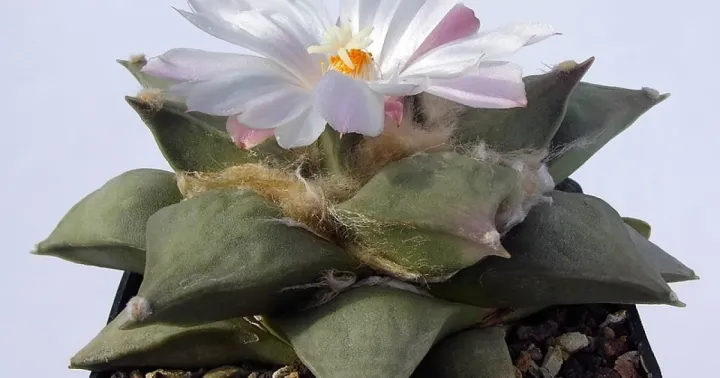
During the active growing season, these cacti require bright, intense light to maintain their compact, agave-like rosette shape. Proper ventilation is essential, especially when ambient temperatures rise above 30 degrees Celsius.
The winter dormancy period is the most critical phase of the annual cycle. The plants must be kept in a cool environment, ideally around 10–12 degrees Celsius, with complete cessation of watering to mimic their natural dry winter period.
Fertilization should be applied sparingly, using specialized mineral-based cactus fertilizers during the growing season. Nitrogen levels must be low, as excess nitrogen leads to succulent tissue expansion and increased susceptibility to pests.
Main diseases and pests
The greatest threat to Ariocarpus agavoides is waterlogged soil, which rapidly promotes fungal decay of the root system. Because of the species' slow metabolic rate, it cannot recover from root rot once it takes hold.
Spider mites are a common pest that targets the plant's surface, causing unsightly dry patches and weakening the epidermis. Regular inspection and the use of appropriate acaricides are necessary for effective pest management.
Mealybugs can often be found hidden in the crevices between the tubercles. Due to the plant's dense growth pattern, monitoring these areas is essential, as hidden infestations can quickly sap the plant's vitality.
Root mealybugs pose a silent threat, dwelling within the root system and stunting the plant's development. If growth stops unexpectedly, the root ball should be inspected and treated with systemic insecticides immediately.
Maintaining a clean, well-ventilated growing environment is the primary preventative measure against these threats. Proper drainage and adhering strictly to the plant’s biological dormancy cycle are the best ways to ensure long-term health.