
Puya floccosa
Puya floccosa
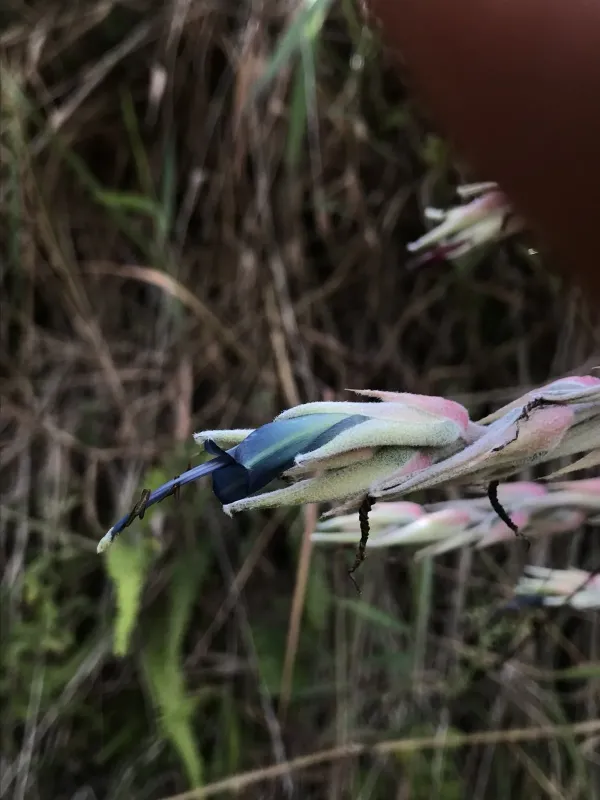
Description
Sowing dates
Puya floccosa is typically propagated through seeds sown in a light, well-draining substrate composed of sand and peat. Sowing should take place in early spring to utilize increasing light levels, which are essential for stimulating germination.
During the germination phase, consistent temperature control between +20°C and +22°C is necessary. The growing medium must remain slightly moist, but not waterlogged, as seeds are highly sensitive to fungal attacks during the initial stages of development.
Vegetative propagation is achieved by removing offsets from the parent plant after the main rosette has flowered. This method is often preferred by growers to maintain specific traits and ensure faster establishment of the new plant.
When separating offsets, it is crucial to use sterile tools to prevent the transmission of diseases. The offsets should be allowed to callus for a few days before being planted in a dry, sandy mix to facilitate root initiation.
Transplanting seedlings or established offsets should be done carefully to avoid damaging the root system. Once successfully potted, the young plants require a gradual acclimation to higher light intensities and normal watering patterns.
Growing requirements
As a member of the Bromeliaceae family, Puya floccosa is a xerophytic plant native to the Andean mountains of South America. Its natural habitat is characterized by rocky, well-drained slopes and high levels of solar radiation.
In cultivation, the species requires full sun to maintain its compact rosette structure and overall health. Insufficient light leads to etiolation, making the plant weak and susceptible to structural failure or diseases.
The soil must be exceptionally porous, featuring a high percentage of inorganic matter such as coarse gravel, perlite, or volcanic rock. This ensures rapid drainage and prevents the root rot that is common in less permeable potting media.
Temperature requirements are moderate, reflecting its high-altitude origins. While the plant can tolerate slight dips in temperature, it should be protected from prolonged frost, which can severely damage the foliage.
Watering should be rhythmic, mimicking its natural environment: a thorough soaking followed by a complete drying period of the substrate. Excessive moisture within the rosette, especially during colder months, must be strictly avoided.
Main diseases and pests
The most significant threat to Puya floccosa is the development of rot, particularly at the crown and root base, caused by poor ventilation and stagnant moisture. These conditions often lead to rapid bacterial or fungal decay.
Insect pests, including mealybugs and scale insects, frequently target the hidden areas between the tough leaves. Their feeding weakens the plant and leaves small lesions that can serve as entry points for various pathogens.
Regular inspection of the leaf axils is essential for early pest detection. If infestations occur, targeted application of appropriate insecticides is recommended, ensuring that the chemical does not damage the foliage texture.
Proactive disease management involves maintaining proper airflow around the plant and ensuring that no organic debris accumulates within the rosette. Removing dead leaf tissue immediately reduces the likelihood of fungal colonization.
The sharp spines on the leaf margins can cause mechanical injuries during handling. It is important to treat these wounds promptly, as they remain highly susceptible to infection until they have fully calloused over.