
Puya dasylirioides
Puya dasylirioides
Description
Growing requirements
Puya dasylirioides is a perennial plant belonging to the Bromeliaceae family. Native to the high-altitude regions of Costa Rica, specifically the paramo ecosystems, this plant is well-adapted to cool, humid, and misty mountain environments. Its unique biology allows it to thrive where many other tropical species would fail.
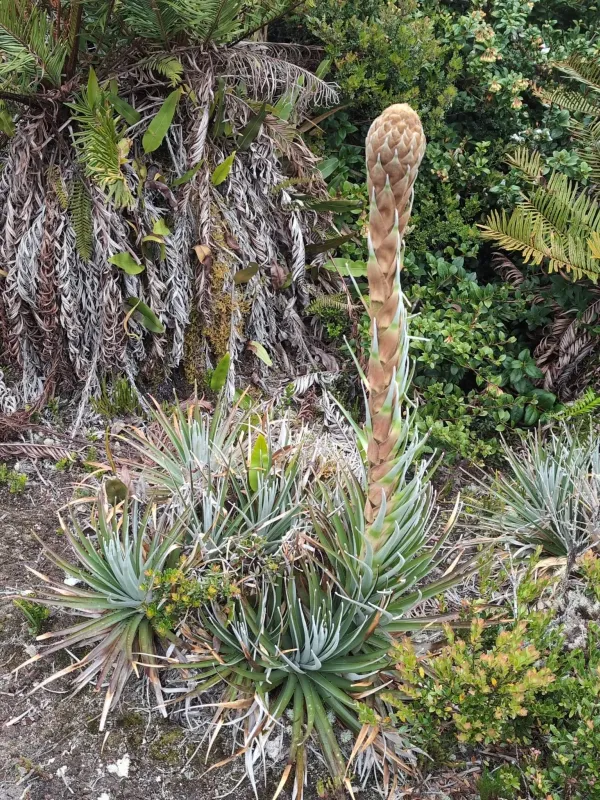
The botanical structure of the plant is defined by a dense rosette of stiff, narrow leaves that resemble those of the Dasylirion genus. When the plant reaches maturity, it produces an impressive inflorescence. These floral spikes are large and packed with numerous flowers, which are typical of high-altitude Puya species.
Cultivation requirements involve mimicking its natural habitat. It thrives in cool temperatures and requires high atmospheric humidity. In an agricultural or nursery setting, providing adequate airflow is essential to prevent heat stress and maintain the vitality of the foliage, especially if kept in glasshouses or specialized environments.
Soil management for this species is critical. The growing medium must be highly porous and well-draining, as the roots are sensitive to waterlogging. A mixture including peat, pumice, or gravel is recommended to ensure that excess water drains away quickly while maintaining enough moisture to prevent root desiccation.
The main commercial and practical application of Puya dasylirioides is within the ornamental and botanical collecting sectors. Due to its slow-growing nature and high specific environmental requirements, it is primarily sought after by professional botanical gardens and private collectors aiming to recreate high-tropical mountain landscapes.
Main diseases and pests
Root rot is the most significant threat to this species, primarily caused by excessive soil moisture or improper drainage. When the root system remains saturated for prolonged periods, the plant becomes susceptible to pathogenic fungi, which can lead to rapid decay of the entire rosette.
Pest management is focused on preventing infestations of scale insects and mealybugs. These pests tend to settle in the dense leaf axils of the plant, where they are difficult to detect early. Routine inspections and mild horticultural oil applications are standard practice for maintaining healthy specimens.