
Portea alatisepala
Portea alatisepala Philcox
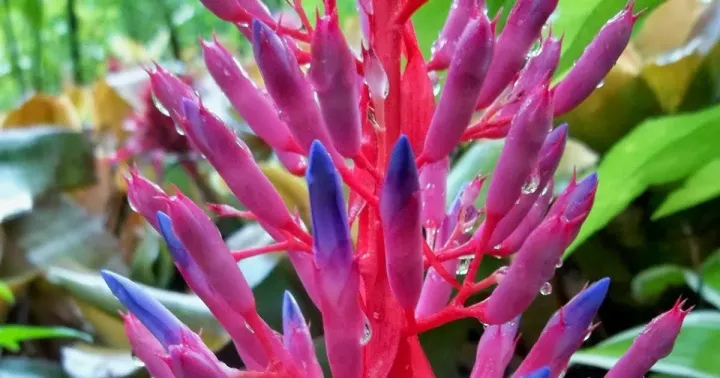
Description
Growing requirements
Portea alatisepala is a fascinating member of the Bromeliaceae family, native to the tropical rainforests of eastern Brazil. This species is an epiphyte, naturally evolving to thrive on tree trunks and rocky surfaces within dense canopy environments.
The plant features a distinct rosette of stiff, spiny leaves that form a central reservoir. This architectural structure allows the plant to collect rainwater and detritus, creating a self-sustaining micro-environment that serves as its primary source of hydration and nutrients in the wild.
When cultivated, Portea alatisepala requires bright, indirect sunlight to maintain its structural integrity and vibrant colors. Direct midday sun is typically too harsh and can damage the foliage, while insufficient light leads to etiolation and a lack of flowering.
Soil requirements for this bromeliad are specific; it needs an extremely well-draining medium. A mix of orchid bark, perlite, and a small amount of peat moss is ideal to ensure that the roots receive ample oxygen and do not remain saturated for extended periods.
Commercially and in private horticulture, this species is highly valued for its striking, long-lasting inflorescences. It is a staple in ornamental collections, botanical conservatories, and interior landscaping where exotic, low-maintenance foliage is desired.
Main diseases and pests
The primary threat to the health of Portea alatisepala is overwatering, which quickly leads to root rot and crown decay. Because it is an epiphyte, its roots need to dry out slightly between waterings to remain healthy and resistant to pathogens.
Mealybugs are the most common pests encountered in cultivation. These sap-sucking insects often hide deep within the leaf axils of the rosette, making them difficult to detect until the plant begins to show signs of yellowing or stunted growth.
Scale insects also pose a risk to established plants. They typically appear as small, brownish bumps on the leaves. Early manual removal or the application of horticultural oils is often enough to control minor infestations before they spread to other plants.
Spider mites thrive in conditions where air humidity is consistently low. Their presence is indicated by stippling on the leaves and fine webbing. To prevent this, maintaining high ambient humidity and regular misting are recommended cultural practices.
Fungal leaf spot diseases can develop if the plant is kept in an area with stagnant, humid air. Proper air circulation is essential for the long-term vitality of the bromeliad, as it helps prevent the buildup of moisture on the leaf surfaces that attracts fungal spores.