
Alcantarea geniculata
Alcantarea geniculata
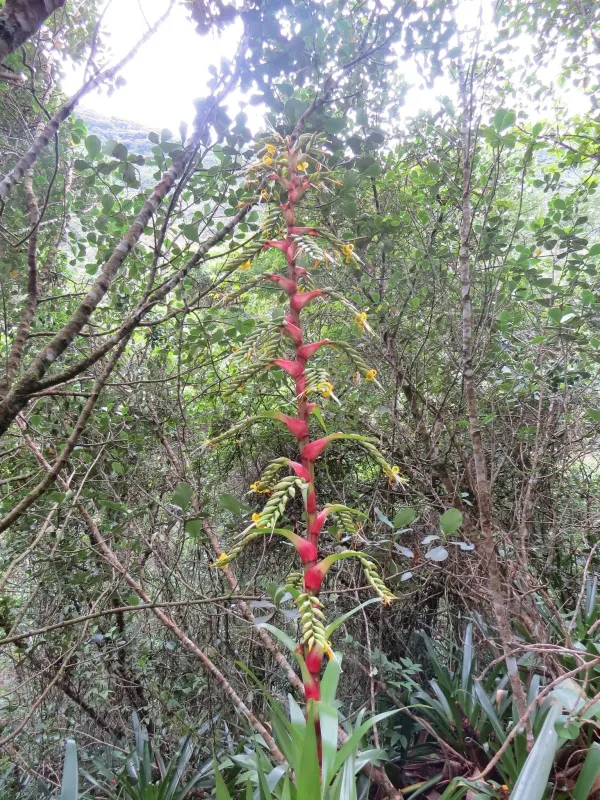
Description
Growing requirements
Alcantarea geniculata is a striking species within the Bromeliaceae family, native to the rocky landscapes of Brazil. As a giant bromeliad, it is highly valued for its large, sculptural rosettes and architectural presence in tropical landscapes and conservatories.
The plant thrives in bright, filtered light. While it can tolerate some morning sun, protecting it from harsh, direct midday sunlight is essential to prevent leaf scorching and to maintain the vibrant foliage color characteristic of the species in its natural habitat.
Temperature requirements are strictly tropical, as Alcantarea geniculata cannot tolerate frost. It grows best in temperatures ranging from 18°C to 28°C. Providing consistent warmth ensures steady growth and prevents the plant from entering a dormant, stress-induced state.
A well-draining, loose substrate is critical. A mix consisting of pine bark, perlite, charcoal, and a small amount of peat moss provides the necessary aeration for the roots, which are primarily designed to anchor the plant rather than absorb high amounts of water.
Irrigation practices involve maintaining water in the central tank (rosette). It is crucial to flush this water regularly with fresh, soft, room-temperature water to prevent stagnation, bacterial growth, and the buildup of mineral deposits that can harm the plant.
Main diseases and pests
Common pests affecting Alcantarea geniculata include scale insects and mealybugs. These pests tend to congregate in the tight leaf axils, making them difficult to detect until they have established a significant population that weakens the plant's structural integrity.
Root and crown rot represent the most frequent diseases, almost exclusively caused by overwatering or poor drainage. Once decay begins at the base of the rosette, it often spreads rapidly, leading to the collapse of the entire specimen if not addressed immediately.
To prevent disease outbreaks, ensure there is adequate airflow around the plant, especially in closed environments like greenhouses. Proper ventilation helps dry the surface tissues and discourages the growth of fungal pathogens that flourish in stagnant conditions.
Monitoring the plant for signs of stress, such as yellowing leaf tips or browning spots, is a vital part of routine maintenance. These symptoms are often early indicators of water quality issues or nutrient imbalances related to excessive salt accumulation.
Effective management includes regular cleaning of the central cup and the use of specialized systemic insecticides during an infestation. Always perform spot tests when applying chemical treatments to ensure they do not damage the sensitive, waxy surfaces of the leaves.