
Aechmea smithiorum
Aechmea smithiorum Mez
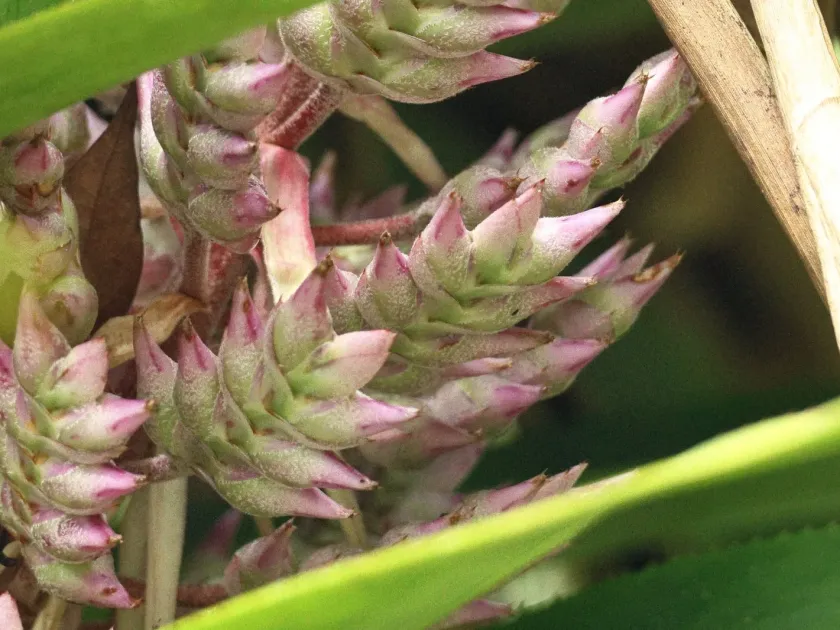
Description
Growing requirements
Aechmea smithiorum requires bright, indirect sunlight. Direct sun exposure should be avoided as it can scorch the foliage. The ideal temperature range for growth is between 22 and 26 degrees Celsius, with winter temperatures never dropping below 15 degrees.
The potting medium must provide excellent drainage. A mix comprising pine bark, coarse peat moss, and charcoal is highly recommended to mimic the natural epiphytic growing conditions and prevent waterlogging around the root system.
Watering techniques are unique for this species; water should be poured directly into the central tank formed by the leaves. Only a minimal amount of water should be applied to the potting mix to keep it slightly damp rather than saturated.
Humidity levels should be maintained between 60% and 70%. Regular misting with soft, room-temperature water is essential, especially in environments with low natural humidity or forced air heating systems.
Fertilization should be handled with caution. A diluted, low-nitrogen liquid fertilizer formulated for bromeliads can be applied to the potting soil or sprayed on the leaves during the active growing season.
Main diseases and pests
Common pests include scale insects and mealybugs, which tend to hide in the tight spaces between leaf bases. Regular visual inspection is necessary to identify these infestations before they spread across the entire rosette.
Root and crown rot are the most significant threats to plant health. These are usually caused by overwatering or poor ventilation, which leads to stagnant water in the leaf tank and subsequent fungal pathogen growth.
Incorrect light levels will cause the plant to lose its vibrant leaf color or suffer from etiolation, where the plant stretches out and weakens, significantly reducing its aesthetic and commercial value.
Preventative measures against diseases involve maintaining good air circulation around the plants and avoiding water accumulation in the tank during colder periods, which slows down evaporation and promotes fungal growth.
When using chemical pest control, it is important to test the product on a small area of the foliage first, as bromeliads can be sensitive to certain concentrated chemical agents found in traditional garden insecticides.