
Aechmea magdalenae
Aechmea magdalenae (André) André ex Baker
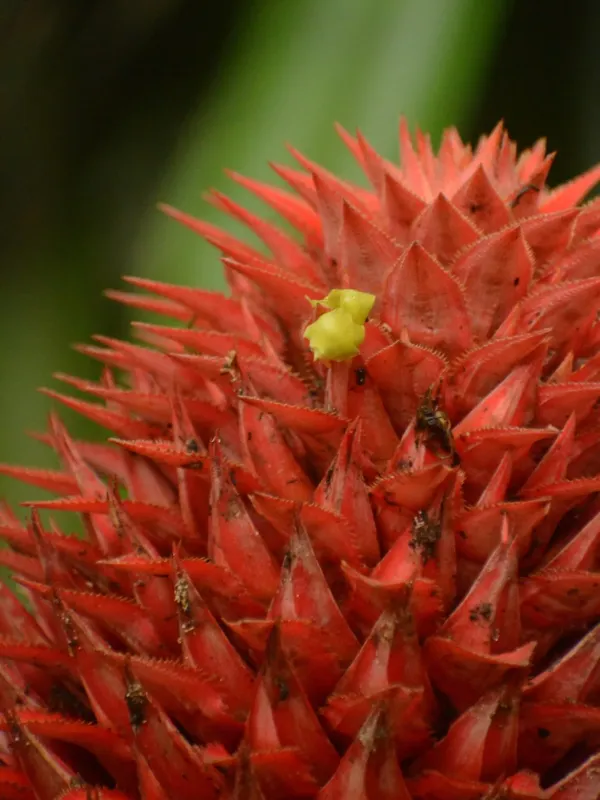
Description
Sowing dates
Propagation of Aechmea magdalenae is primarily carried out vegetatively by separating offshoots or pups from the parent plant, which ensures genetic consistency.
While seed sowing is possible, it is typically reserved for research or breeding purposes, as the plant takes considerable time to reach maturity from a seedling stage.
Young plants require a well-aerated, loose potting medium that facilitates rapid root development while preventing waterlogging, which is critical for juvenile survival.
Transplanting to larger fields or containers should be performed during the onset of the rainy season to minimize plant stress and take advantage of natural humidity.
Correct spacing is essential to ensure adequate airflow between plants, which is a key factor in reducing the risk of fungal infections in dense plantation environments.
Growing requirements
Aechmea magdalenae is a robust species within the Bromeliaceae family, native to the humid tropical forests of Central and South America where it thrives in the understory.
The plant requires high ambient humidity and temperatures between 22 and 28 degrees Celsius; it is highly intolerant of frost and extreme temperature fluctuations.
Light intensity should be moderate and diffused; prolonged exposure to direct sunlight can damage the leaves, reducing the yield and structural quality of the extracted fiber.
The soil should be nutrient-rich, slightly acidic, and must offer excellent drainage to prevent the base of the rosette from sitting in standing water.
A unique physiological requirement is the water reservoir within the leaf rosette; plants should be irrigated such that water is periodically replenished in the leaf cup.
Yield
The primary economic value of this crop lies in its leaves, which contain extremely long, strong, and flexible fibers known commercially as pita fiber.
The harvesting process involves carefully stripping mature leaves from the outer layers of the rosette, ensuring that the central growing point remains intact for continued growth.
Post-harvest processing includes mechanical cleaning or retting to isolate the fibers, which are highly prized in textile manufacturing for their durability and tensile strength.
The yield of fiber per hectare is influenced by the density of the planting and the consistency of humidity levels throughout the growing season in the tropical climate.
Beyond fiber production, the plant is increasingly recognized for its aesthetic appeal, finding a place in upscale landscaping and botanical collections in tropical regions.
Main diseases and pests
The most significant threats to Aechmea magdalenae include various fungal rots that affect the base of the rosette when air circulation is inadequate or humidity is too high.
Pests such as mealybugs and scale insects are common adversaries, hiding in the leaf axils and extracting vital sap, which negatively impacts fiber quality.
Root rot, driven by stagnant water or compacted soil, remains a major challenge that requires meticulous monitoring of drainage systems in agricultural settings.
Pest management relies on integrated strategies, including the use of targeted systemic insecticides that can safely penetrate the dense foliage of the rosette.
Regular sanitation, including the removal of decaying leaves and debris from the base, is the most effective preventative measure against widespread disease outbreaks.