
Aechmea comata
Aechmea comata
Description
Growing requirements
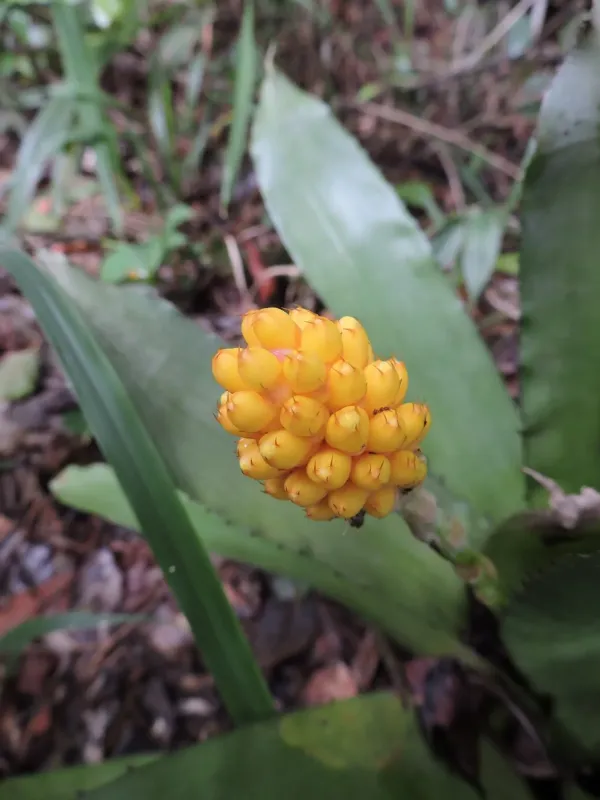
Aechmea comata is a notable species within the Bromeliaceae family. Native to the tropical regions of South America, specifically Brazil, this species is primarily known for its epiphytic growth habit, as it naturally attaches itself to tree trunks and rock crevices in humid environments.
The plant thrives in bright, indirect light conditions. While it is adapted to tropical sun, direct exposure in domestic or greenhouse settings can scorch its leathery, fibrous leaves, making partial shade or filtered light the preferred environmental choice for healthy growth.
Regarding soil requirements, Aechmea comata necessitates a highly porous and aerated medium. Standard potting mixes containing peat moss, pine bark, perlite, and coconut fiber are commonly used to mimic the natural debris accumulation found on tree branches where these plants grow in the wild.
Watering management is a critical aspect of its agrotechnology. The plant possesses a central rosette (tank) that collects water; it is essential to keep this tank partially filled with fresh, soft water. However, the potting substrate should be kept only slightly moist to prevent root decay.
Temperature control is essential for sustaining the lifecycle of the plant. It prefers warm conditions, ideally ranging between +20°C and +26°C. During the vegetative stage, applying balanced, water-soluble fertilizers in a diluted form, typically sprayed onto the foliage, promotes better growth and vibrant bloom cycles.
Main diseases and pests
The primary pests affecting Aechmea comata include scale insects and mealybugs. These pests thrive in stagnant air and low-humidity conditions. Manual removal or the application of horticultural soaps and systemic insecticides are the most effective control measures.
Fungal diseases, particularly crown and root rot, are the most significant threats to plant health. These conditions usually stem from overwatering the soil or poor air circulation within the leaf axils. Ensuring adequate drainage and maintaining moderate humidity levels are vital for disease prevention.