
Ebony spleenwort
Asplenium ebenoides R. R. Scott
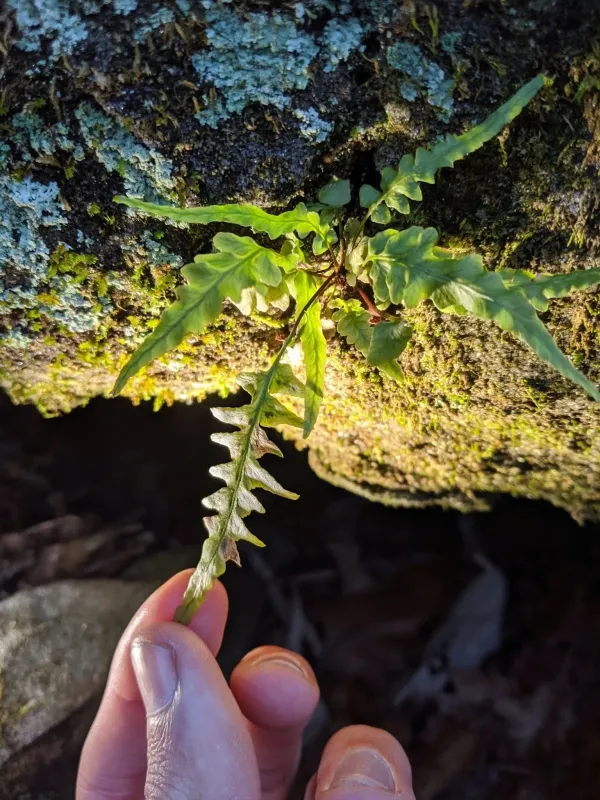
Description
Growing requirements
Ebony spleenwort (Asplenium ebenoides) is a unique hybrid fern belonging to the Aspleniaceae family. It is a rare botanical curiosity, recognized for its striking appearance and specialized habitat requirements, originating from the eastern regions of North America.
The plant thrives in environments that mimic its natural cliffside home. It requires high humidity levels, consistently moist soil, and filtered, indirect light to maintain its health and vibrant foliage throughout the year.
When preparing the growing medium, it is crucial to provide a well-draining, porous substrate. A mix of peat, perlite, and small amounts of crushed limestone is often recommended to create the slightly alkaline to neutral conditions the fern prefers.
Watering management is a critical factor in the cultivation of this species. The root system must never be allowed to dry out completely, yet it should never sit in stagnant water, as this will quickly lead to root decay and overall plant failure.
This species is mainly utilized as a specialist ornamental plant in private collections and botanical conservatories. Its rarity and the scientific interest surrounding its hybrid nature make it a prized specimen for dedicated horticulturalists.
Main diseases and pests
Fungal pathogens are the primary threat, especially in stagnant air conditions. Over-watering creates an environment favorable for crown rot, which can cause the sudden collapse of the entire plant structure if left unchecked.
Scale insects present a significant challenge, as they often attach to the dark, ebony-colored stipes of the fern. Their presence saps the plant's vitality and creates entry points for secondary bacterial infections.
Mealybugs are another common pest that tends to congregate in the tight clusters of the fern's crown. Regular monitoring and manual removal are necessary to prevent these pests from spreading across the foliage.
The spider mite is a frequent adversary in indoor environments where humidity levels are inconsistent. Their feeding habits cause stippling on the leaves, leading to chlorosis and eventual tissue death.
Effective management requires a proactive approach, including optimal humidity control and proper spacing between plants to ensure adequate air circulation, which prevents the buildup of pests and diseases.