
Asplenium australasicum
Asplenium australasicum (J. Sm.) Hook.
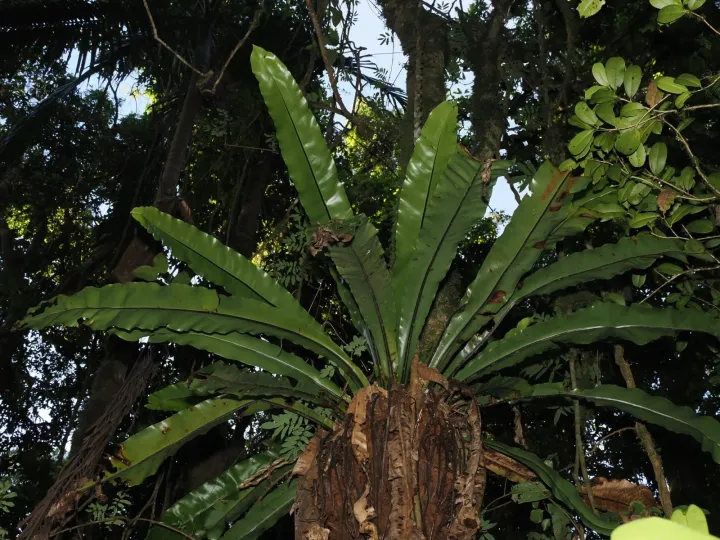
Description
Growing requirements
Asplenium australasicum, commonly known as a bird's nest fern, belongs to the Aspleniaceae family and originates from the rainforests of Australia. This fern is widely cultivated in the greenhouse industry as a high-value ornamental foliage crop used for interior decoration and tropical landscaping.
Successful cultivation requires a stable microclimate with temperatures between 18°C and 25°C. As an epiphytic plant, it thrives in environments with high humidity levels, often requiring industrial humidification systems in large-scale growing facilities to prevent leaf desiccation.
The choice of growing medium is critical for this species. A standard professional substrate should include orchid bark, peat moss, and perlite to ensure excellent drainage and aeration, mimicking the forest canopy environment where these plants naturally establish.
Light management involves avoiding direct, intense sun, which leads to leaf bleaching and tissue damage. Greenhouse growers typically utilize shade cloth to provide 50-70% light reduction, ensuring optimal growth rates and maintaining the vibrant green color of the fronds.
Fertigation should be performed sparingly, as the plant has a low nutrient demand. Using diluted liquid fertilizers during the active growing season promotes frond production, provided that the substrate pH remains slightly acidic to neutral.
Main diseases and pests
The primary pests affecting Asplenium australasicum in controlled environments are scale insects and spider mites. These pests can cause significant economic loss if not managed early through integrated pest management (IPM) practices, including the use of biological controls or systemic insecticides.
Fungal diseases, specifically Rhizoctonia and Phytophthora, are prevalent under conditions of poor ventilation and excessive moisture. To mitigate these risks, growers must prioritize strict sanitation practices and ensure proper air circulation around the crowns of the ferns.