
Asplenium antiquum
Asplenium antiquum Makino
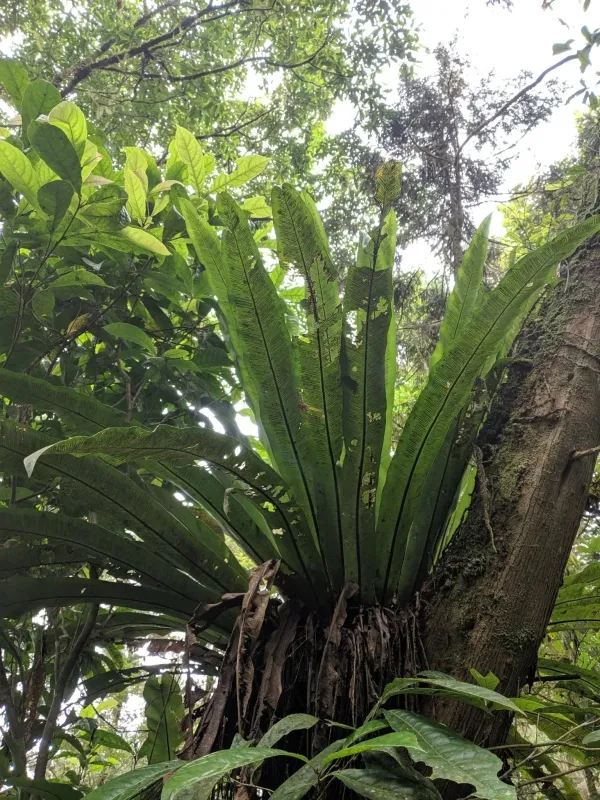
Description
Growing requirements
Asplenium antiquum, commonly known as a type of bird's nest fern, belongs to the Aspleniaceae family and originates from the subtropical forests of East Asia, including Japan and Taiwan.
The plant thrives in warm, humid conditions with temperatures ideally ranging from 18°C to 24°C, as it is highly sensitive to cold spells and freezing temperatures.
For optimal growth, the medium must be highly porous and rich in organic matter. A mixture of peat moss, pine bark, and perlite provides the structure needed for proper root aeration.
Lighting should be bright but indirect; intense sunlight will bleach the leaves and cause necrotic spots, while deep shade will lead to slow growth and weak, elongated fronds.
Watering must be carried out with care, ensuring the growing medium stays moist but never waterlogged, and keeping the central crown dry to avoid crown rot.
Main diseases and pests
Scale insects are a common pest in greenhouse production, clinging to the undersides of the fronds and draining sap, which stunts the development of new growth.
Fungal pathogens such as Pythium and Phytophthora pose a significant threat to root health, especially in conditions where soil drainage is inadequate or potting media is reused.
Mealybugs can infest the tight spaces between fronds, necessitating regular inspections and, if necessary, the application of horticultural oils or systemic insecticides.
Fungal leaf spots are frequently caused by overhead watering or high humidity combined with poor airflow, requiring the implementation of proper spacing in nursery benches.
Spider mites can become a major issue during the summer months if the ambient humidity drops significantly, resulting in yellowing and bronzing of the foliage.