
Agave desmettiana
Agave desmettiana Jacobi
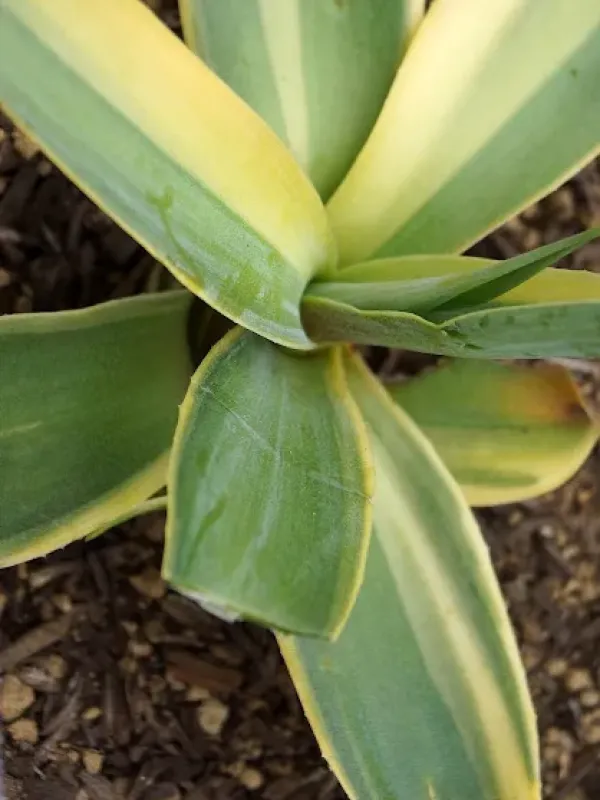
Description
Growing requirements
Agave desmettiana, a member of the Asparagaceae family, is a stunning succulent native to Mexico. It is widely recognized for its symmetrical, rosetted foliage and its architectural elegance, which makes it a preferred choice for dry garden landscapes.
The plant thrives in full sun conditions, which are essential for maintaining its robust structure and coloration. While it is adaptable, it performs best in environments where it receives at least six hours of direct sunlight daily to prevent etiolation.
Soil drainage is the most critical factor for successful cultivation. The medium should be gritty, porous, and fast-draining, mimicking the rocky substrates of its natural habitat. Heavy clay soils must be avoided as they often lead to root rot.
Temperature management is crucial as Agave desmettiana is not frost-tolerant. It flourishes in warm climates with temperatures consistently above 15 degrees Celsius. In colder regions, keeping the plant in portable containers allows for necessary protection during winter months.
Watering requirements are low; the plant is highly drought-tolerant once established. During the growing season, a soak-and-dry method is recommended, ensuring the soil completely dries out before the next irrigation cycle occurs.
Main diseases and pests
Common pests affecting Agave desmettiana include agave snout weevils, which can cause severe damage to the plant's core. Regular monitoring and the application of systemic insecticides are often necessary in infested regions to prevent total plant loss.
Mealybugs and aphids may infest the succulent, especially in the tender crevices of the leaves. These pests are usually managed through targeted contact insecticides or neem oil applications applied during the early stages of the infestation.
Root rot is the most common physiological disorder, primarily caused by overwatering or poor drainage. The symptoms typically appear as yellowing of the lower leaves, followed by soft, mushy tissues at the base of the plant.
Fungal leaf spots can occur when the humidity levels are too high for extended periods, especially if foliage remains wet. Improving airflow around the plant and keeping the leaves dry helps mitigate these fungal issues significantly.
To ensure long-term health, growers should maintain a strict sanitary routine. Removing dead leaves and debris from the base of the plant prevents the accumulation of moisture and provides fewer hiding spots for potential pests.