
Agave cantula
Agave cantula Roxb.
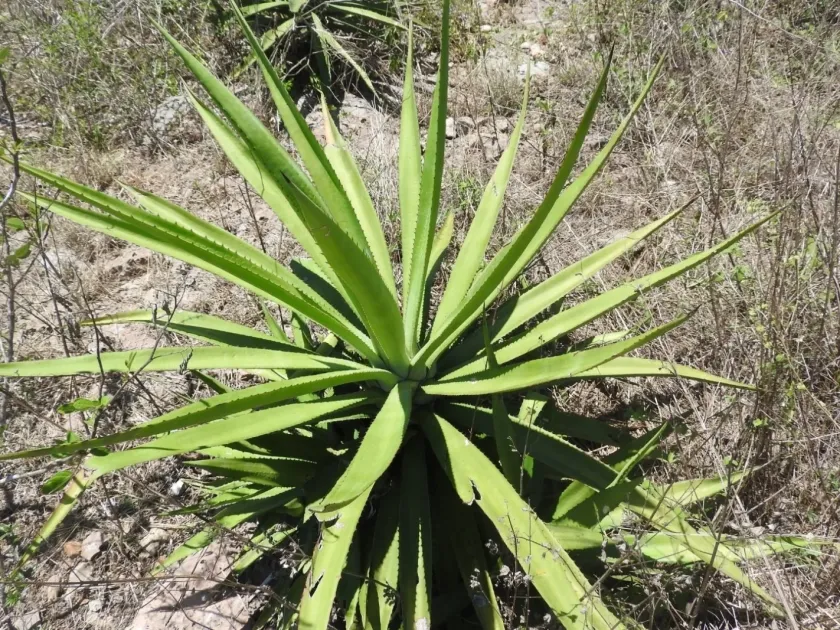
Description
Growing requirements
Agave cantula is a prominent perennial succulent belonging to the Asparagaceae family. Originating from the regions of Mexico and Central America, the plant has been naturalized throughout tropical environments in Asia, where it serves as a valuable industrial crop.
The plant thrives in well-drained, sandy, or stony soils that allow for rapid moisture runoff. It requires full sun exposure for optimal leaf development and photosynthesis, making it an excellent choice for arid regions where water availability is restricted.
Regarding climate, Agave cantula is highly sensitive to frost and extreme cold. It performs best in tropical and subtropical zones with distinct dry seasons, requiring very little supplemental irrigation once the plant has established a robust root system.
Agronomic management focuses on careful weed control during the establishment phase, as the plant grows relatively slowly. Farmers typically space out rows to ensure adequate airflow and facilitate manual or mechanical maintenance of the field.
The primary economic value of this species lies in its strong, durable leaf fibers. These fibers are mechanically extracted and processed to produce high-tensile cords, maritime ropes, sacking, and various industrial textiles used in harsh environmental conditions.
Main diseases and pests
Agave cantula faces risks from fungal pathogens if soil moisture levels remain consistently too high, often resulting in root and crown rot. Additionally, infestations by various weevil species pose a significant threat as they burrow into the plant's core and destroy its structural integrity.