
Chain fruit
Alyxia ruscifolia
Description
Growing requirements
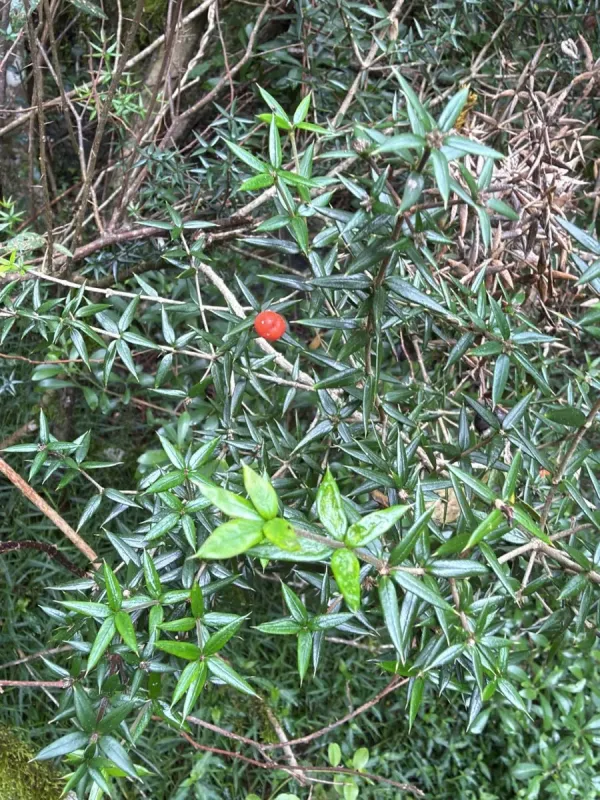
Chain fruit (Alyxia ruscifolia) is an evergreen shrub belonging to the Apocynaceae family. Native to the subtropical forests of Australia, this species is highly valued for its glossy foliage, fragrant white flowers, and distinctive red fruits.
The plant thrives in bright, indirect light conditions. It requires well-draining, nutrient-rich soil with a slightly acidic to neutral pH. Proper soil aeration is essential to prevent waterlogging, which the plant is highly sensitive to.
Regarding climate, Alyxia ruscifolia prefers stable temperatures between 18 and 28 degrees Celsius. It is frost-tender and requires protection or indoor cultivation in colder temperate climates, as it cannot survive freezing temperatures.
Standard agrotechnical practices include regular but careful irrigation, ensuring the top layer of soil dries out slightly between waterings. Fertilization with balanced NPK formulas during the active growth season significantly enhances the density of the shrub.
In terms of usage, it is primarily used in landscaping for topiary, hedging, and as an ornamental specimen in gardens. Its ability to tolerate regular pruning makes it an excellent choice for structured landscape design.
Main diseases and pests
Scale insects represent a significant threat to the plant, as they suck sap from the stems and leaves. Regular inspection and treatment with horticultural oils or specific insecticides are recommended for effective control.
Mealybugs can often infest the plant, particularly in sheltered or indoor environments. Manual removal or the use of systemic pesticides is necessary to manage heavy infestations effectively.
Root rot, caused by various soil-borne pathogens like Phytophthora, is a frequent issue in poorly drained substrates. Improving soil structure and avoiding overwatering are the primary methods of prevention.
Fungal leaf spots can occur if foliage remains wet for extended periods in humid, stagnant air. Ensuring good air circulation and reducing overhead watering helps keep the plant foliage healthy and disease-free.
Nutrient deficiencies, particularly iron chlorosis, can manifest as yellowing leaves while the veins remain green. This is often linked to improper soil pH, requiring adjustment with soil amendments or chelated nutrient applications.