
Alyxia reinwardtii
Alyxia reinwardtii
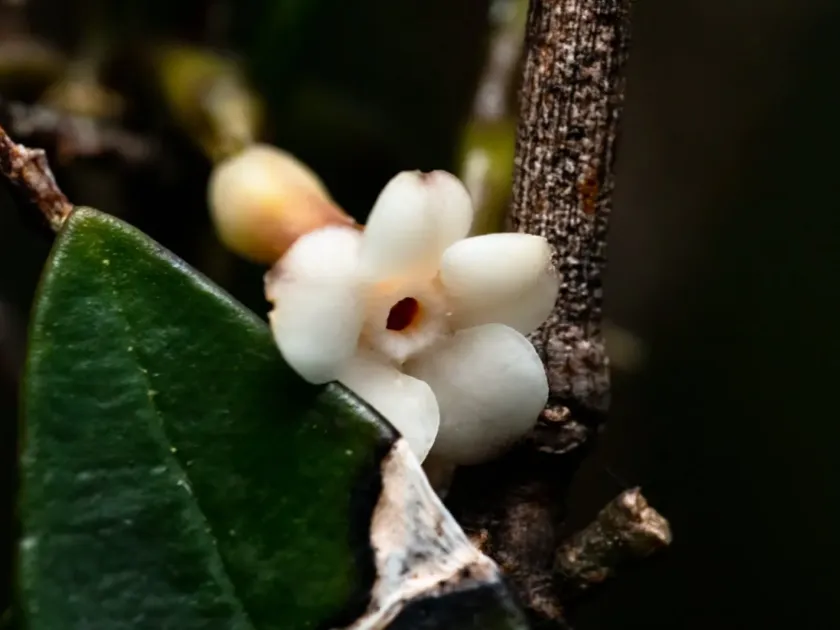
Description
Growing requirements
Alyxia reinwardtii is a notable species belonging to the Apocynaceae family. It is typically characterized as a woody evergreen vine or shrub native to the tropical regions of Southeast Asia.
The plant thrives in humid tropical climates. Successful cultivation requires a consistent ambient temperature range and protection from extreme temperature fluctuations to ensure healthy vegetative growth.
Soil requirements involve a well-draining, nutrient-rich medium. The plant performs best in soils with high organic matter content and a pH that is slightly acidic, which facilitates efficient nutrient uptake.
Agricultural practices for this crop focus on maintaining humidity levels while ensuring proper aeration. Regular watering is vital, but the prevention of water stagnation is crucial for root health.
The crop is commercially valued for its bark and leaves, which are sources of aromatic compounds and various alkaloids used in both traditional herbal medicine and modern fragrance formulations.
Main diseases and pests
Root rot and various fungal pathogens pose the most significant threat to the crop, especially in conditions where soil drainage is inadequate or atmospheric humidity is excessive.
Pest pressure from common tropical insect species, including mealybugs and scale insects, often requires vigilant monitoring. These pests can cause significant damage to the leaves and bark quality.
Maintaining a balanced ecosystem within the plantation is the best defense against pests. Encouraging natural predators can help manage insect populations without relying heavily on chemical inputs.
Regular pruning of damaged or infected plant parts is essential to maintain plant vigor. This cultural practice also improves airflow, which is critical in preventing the buildup of moisture-loving fungi.
Adhering to strict sanitary protocols, such as cleaning equipment and isolating new plants, is fundamental to preventing the introduction of harmful viruses into the cultivation area.