
Albuca spiralis
Albuca spirilis L. f.
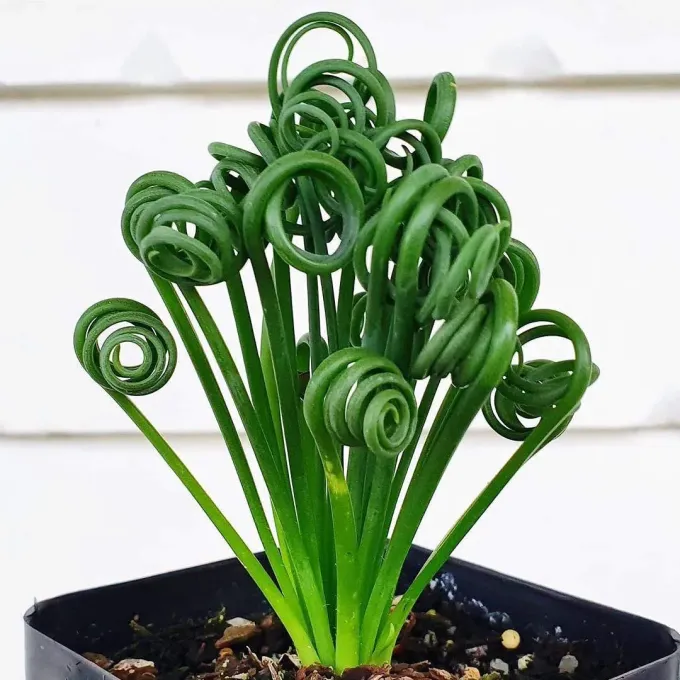
Description
Sowing dates
Propagation of Albuca spiralis from seeds is best performed during the spring months to take advantage of increasing natural daylight.
Seeds should be sown in a very porous, sandy mix that allows for excellent drainage, which is vital for the development of healthy bulbs.
Keep the sowing container lightly covered to maintain consistent humidity, ensuring a germination temperature of approximately 20 to 22 degrees Celsius.
As the seedlings emerge, it is essential to increase ventilation gradually to prevent fungal infections, which are common in high-humidity seedling environments.
Once the young bulbs have developed sufficient root mass, they can be transplanted into individual pots to encourage further development.
Growing requirements
Albuca spiralis is a member of the Asparagaceae family and is native to South Africa, where it has adapted to harsh, dry growing conditions.
The plant requires intense, direct sunlight to maintain its characteristic spiral leaf shape; low light conditions will cause the leaves to straighten out.
Irrigation must be handled with caution; water the plant sparingly and allow the soil to dry out almost completely between watering intervals.
The potting medium must be inorganic and well-draining, consisting of a mix of sand, perlite, and a small amount of peat or quality compost.
Providing a distinct dry, cool resting period during the summer or winter months is crucial for the plant to cycle through its biological phases.
Main diseases and pests
Overwatering is the single most common cause of death for this species, leading rapidly to bulb rot and fungal pathogen outbreaks.
Spider mites are a frequent pest threat, especially when the plant is kept in environments with poor air circulation and high temperatures.
Inadequate light exposure is not only an aesthetic issue but also significantly compromises the plant's structural integrity and overall vigor.
If the potting medium remains damp for too long, the root system will fail, making the plant susceptible to opportunistic soil-borne diseases.
Regular inspection and the use of sterile, well-draining substrates are the best defenses against both biological pests and fungal infections.
Harvesting
The plant naturally enters a period of dormancy, usually indicated by the drying and yellowing of its spiral foliage at the end of the growth cycle.
During this stage, irrigation should be carefully tapered off to allow the bulb to enter its required rest phase without dehydration.
Old, withered leaves should only be removed once they have become completely dry, as this ensures all stored nutrients have returned to the bulb.
Storage of the dormant bulbs should occur in a cool, dry, and dark location until environmental conditions are right for resuming growth.
Following these harvesting and storage practices is essential for promoting consistent blooming and leaf vigor in the subsequent growth season.