
Airampoa corrugata
Airampoa corrugata
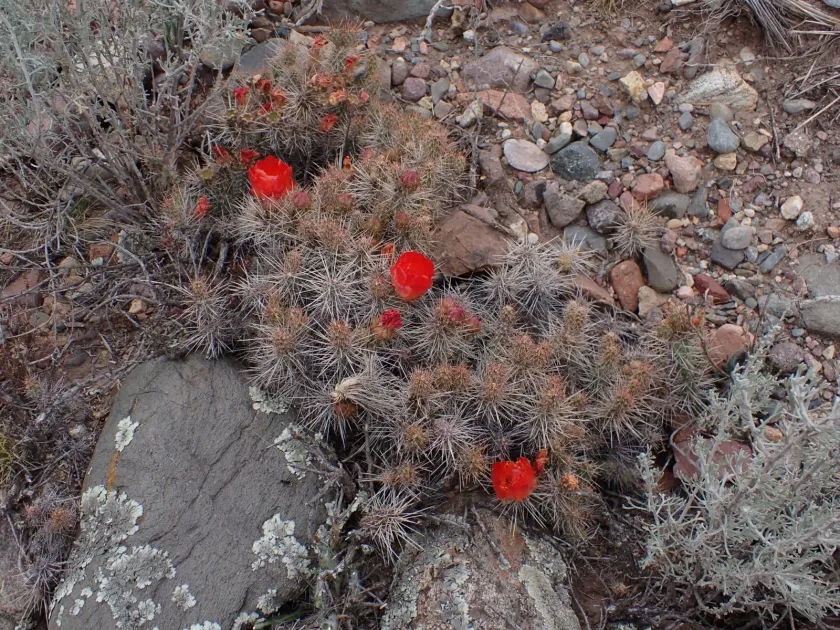
Description
Growing requirements
Airampoa corrugata is a unique species of cactus belonging to the Cactaceae family, native to the high-altitude regions of the Andes in South America. It is recognized for its segmented stems and high degree of adaptation to arid environments.
To cultivate this species successfully, one must replicate its natural habitat conditions. This requires a high-light environment, preferably full sun, to maintain the plant's compact form and promote natural coloration of the spines and skin.
The substrate must be highly inorganic, consisting of gravel, coarse sand, and a minimal amount of loam or peat. Proper drainage is the most vital factor; water should never sit around the roots, as this leads to inevitable rot.
Climate requirements include distinct diurnal temperature shifts, characteristic of high mountain altitudes. During the winter months, the plant requires a cool, dry dormancy period to trigger spring blooming cycles.
Watering should be strictly monitored, performed only when the substrate has dried out completely. Overwatering during the dormant period is the most common reason for plant loss in domestic collections.
Main diseases and pests
The primary threats to Airampoa corrugata are mealybugs and spider mites, which often find shelter within the corrugated surfaces of the stems, making manual removal difficult.
Fungal infections, particularly root and stem rot caused by Phytophthora or similar pathogens, represent the most severe threat to the health of the plant when moisture levels are uncontrolled.
Poor ventilation within a greenhouse or indoor setting exacerbates the risk of rapid spread of fungal spores among the collection.
Preventive measures include the application of systemic fungicides and maintaining a strict regimen of drying out the soil between watering sessions to suppress pathogen activity.
Regular inspection of the root collar is recommended to identify early signs of tissue decay, which allows for immediate surgical intervention and propagation of healthy segments.