
Common agrimony
Agrimonia eupatoria L.
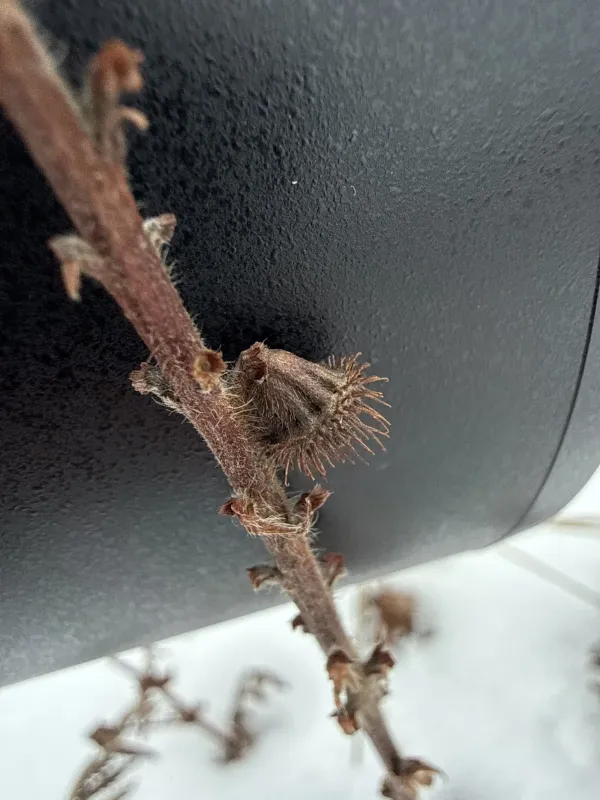
Description
Sowing dates
Common agrimony (Agrimonia eupatoria L.), a member of the Rosaceae family, is a hardy perennial herb. Sowing is typically performed in late autumn to utilize natural winter stratification, which is essential for uniform germination.
If spring sowing is preferred, seeds must undergo artificial stratification at 2–5 degrees Celsius for approximately 6 weeks. This treatment breaks seed dormancy and ensures a higher emergence rate in the spring.
Seeds should be sown at a shallow depth of 1–2 centimeters. Row spacing of 50–60 centimeters is recommended to allow for mechanical weeding and to ensure that plants receive adequate sunlight as they mature.
During the first year, the crop develops slowly, forming a basal rosette. It is crucial to monitor weed pressure during this period, as the crop is highly sensitive to competition before it establishes its deep root system.
After the first season, the plants establish a strong crown. By the second year, the crop enters its full reproductive phase, producing tall, flowering spikes that are ready for harvest.
Growing requirements
Agrimonia eupatoria thrives in well-drained, fertile soils with a neutral or slightly alkaline pH. It is highly adaptable but performs best in loamy soils that retain moderate moisture without waterlogging.
This crop prefers full sun exposure to maximize the production of medicinal compounds. While it exhibits good drought tolerance once established, consistent soil moisture during the spring growth phase is vital for high yields.
Proper field drainage is essential. Common agrimony is prone to root rot in saturated, poorly aerated soils, which can significantly reduce plant vigor and stand longevity in a commercial setting.
Balanced fertilization is key to maintaining high crop productivity. Nitrogen application should be limited to avoid excessive vegetative growth at the expense of floral development and active compound concentration.
Effective weed management and periodic inter-row cultivation help improve soil structure and aeration. These practices promote a robust root system and enhance the overall health and uniformity of the plantation.
Main diseases and pests
The plant is relatively resistant to pests, but it can be susceptible to aphids during periods of high humidity and heat. Regular monitoring of the foliage is recommended to detect early infestations.
Fungal diseases, such as powdery mildew, may occur if plant spacing is too dense or if humidity levels remain consistently high. Proper air circulation and sanitation are the primary defenses against these infections.
Root-knot nematodes can occasionally affect soil health, especially in intensive crop rotations. Crop rotation with non-host species is an effective agronomic strategy to minimize these soil-borne risks.
Rust diseases can sometimes appear on the underside of leaves. Ensuring that the crop canopy remains dry and well-ventilated reduces the incidence and spread of such pathogens significantly.
Integrated Pest Management (IPM) practices, such as the use of biological control agents and maintaining optimal plant health, are preferred over synthetic chemical treatments for this medicinal crop.
Harvesting
Harvesting should be conducted during full bloom when the concentration of tannins, flavonoids, and volatile oils is at its peak. This window usually occurs in mid-to-late summer.
The upper 30–40 centimeters of the flowering stems are harvested. It is important to use clean, sharp shears to minimize physical stress on the plant and promote faster recovery for subsequent cuttings.
Post-harvest handling requires rapid drying to preserve the chemical integrity of the plant. Drying should take place in a shaded, well-ventilated area or a controlled thermal dryer at temperatures below 45 degrees Celsius.
Quality control during drying is essential; the stems should be checked frequently to prevent mold growth. Once fully dried, the material should be brittle enough to snap cleanly.
Properly dried agrimony should be packed in airtight, light-resistant containers. Stored in a cool, dry environment, the herb retains its therapeutic quality for up to two years after harvesting.