
Agave chiapensis
Agave chiapensis Jacobi
Description
Growing requirements
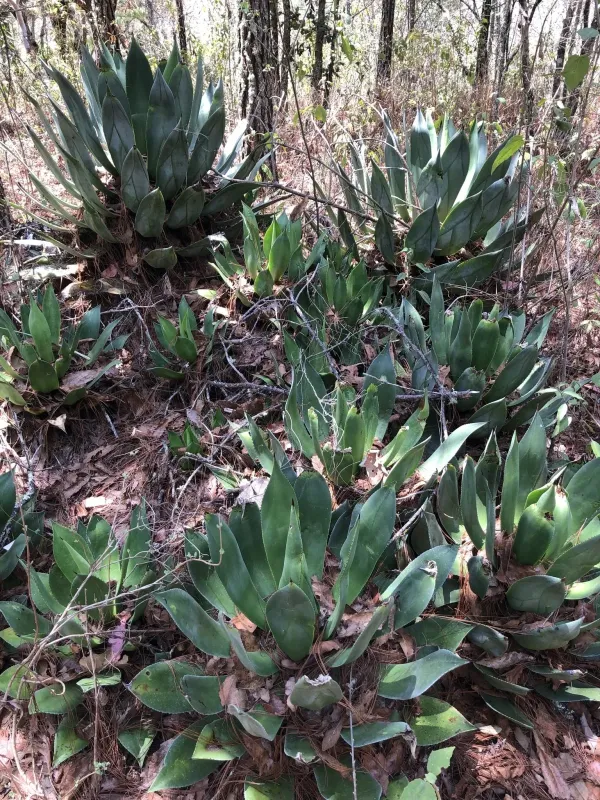
Agave chiapensis is a distinctive succulent belonging to the Asparagaceae family. This species is recognized for its rosette-forming foliage, which exhibits a thick and rigid texture typical of mountain-dwelling agaves.
Originating from the Chiapas region in Mexico, this plant thrives in rocky, well-drained terrain. It is ecologically adapted to environments with high solar radiation and significant temperature variations between day and night.
Successful cultivation requires soil with excellent drainage properties. Growers typically use a mix of sand, pumice, and loam to replicate its native habitat, ensuring that water does not accumulate around the base of the plant.
The plant demonstrates a strong preference for sunny locations, which are essential for maintaining its structural integrity and leaf coloration. It is relatively drought-tolerant but benefits from consistent watering during the peak growing season.
In terms of agricultural and landscape use, Agave chiapensis is highly valued for its aesthetic appeal in xeriscaping. Furthermore, like many agaves, it serves as a source of high-quality fiber, used traditionally for various craft applications.
Main diseases and pests
The most significant threat to Agave chiapensis health is root rot, triggered by overwatering or poor soil drainage. This condition can lead to rapid decay of the plant's succulent tissues, making prevention critical.
Pest pressure is often dominated by mealybugs and spider mites. These organisms thrive in sheltered areas of the rosette, where they feed on the plant's vascular sap and weaken its overall vitality.
Effective pest management involves the regular application of systemic insecticides and manual removal of affected tissue. Maintaining a clean cultivation environment helps reduce the likelihood of heavy infestations.
Bacterial infections can also pose a risk, appearing as necrotic spots on the leaves. Immediate removal of affected leaves is necessary to contain the spread and preserve the rest of the plant.
Providing adequate ventilation is a key strategy for disease prevention. Ensuring that the foliage stays dry and the ambient air is not overly humid helps maintain the plant in a vigorous and healthy state.