
Squid Agave
Agave bracteosa S. Watson ex Engelm.
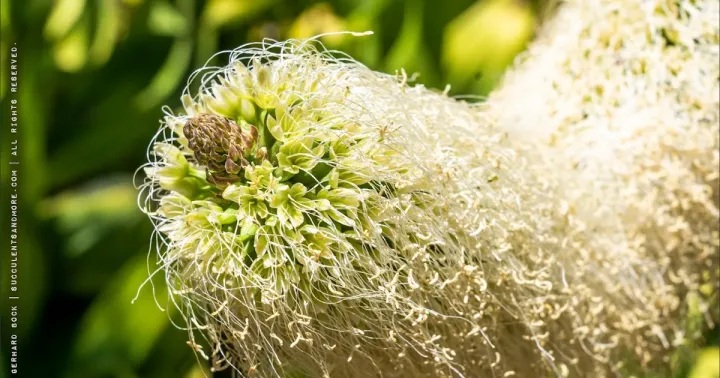
Description
Growing requirements
The Squid Agave (Agave bracteosa) is a distinct succulent species belonging to the Asparagaceae family. Unlike most agaves, it is notable for its arching, spineless leaves, which give it a graceful, fountain-like appearance.
Native to the mountains of northeastern Mexico, specifically the limestone cliffs of Nuevo Leon, this plant is perfectly adapted to rocky environments. It is highly valued for its drought tolerance and minimal nutritional requirements.
In terms of cultivation, Agave bracteosa requires exceptionally well-draining soil. Whether planted in a rock garden or a container, a mix of grit, coarse sand, and organic matter is essential to prevent root rot.
The plant thrives in full sun but can tolerate partial shade, which may be beneficial in extremely hot climates to prevent leaf scorching. It is considered one of the more cold-hardy species, capable of surviving light freezes if kept dry.
Proper agronomic management focuses on the "soak and dry" watering method. During the growing season, water deeply but allow the soil to dry out completely before the next application. During winter dormancy, keep the plant almost entirely dry.
Main diseases and pests
Root and crown rot are the primary threats to the Squid Agave, usually caused by overwatering or poor soil drainage. This is especially prevalent during the winter months when the plant is not actively growing and cannot process excess moisture.
Pest issues typically involve infestations of mealybugs and scale insects. These pests tend to congregate at the base of the leaves or in the tight clusters of the rosette, where they are difficult to detect until the infestation becomes significant.
To maintain plant health, it is important to ensure good air circulation around the rosette. Avoiding water accumulation in the center of the plant is a critical preventative measure against bacterial and fungal infections.
When pests are detected, prompt intervention with horticultural oils or systematic insecticides is recommended. It is important to treat all parts of the plant, including the hidden crevices between leaves, to ensure full eradication.
If rot is detected, immediate removal of the affected tissue is necessary. After excision, the plant should be left in a dry, well-ventilated area to allow the wound to callous before it is replanted in fresh, dry soil.