
Agave vilmoriniana
Agave vilmoriniana
Description
Growing requirements
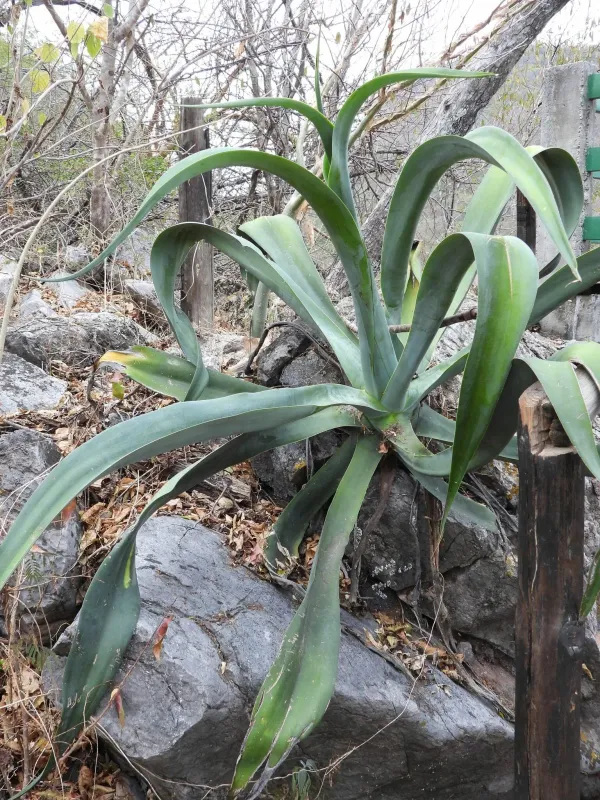
Agave vilmoriniana, commonly known as the Octopus Agave, belongs to the Asparagaceae family. This distinctive succulent is prized for its unique, twisting, spineless leaves that radiate from the center, resembling the tentacles of an octopus.
The species originates from the arid regions of Mexico, primarily found in the states of Sonora and Arizona. It thrives in rugged, rocky terrain where it has evolved to withstand high temperatures and prolonged periods of drought.
Successful cultivation requires soil that provides excellent drainage. A gritty, mineral-heavy substrate is essential, as the plant is highly susceptible to root rot if the roots are exposed to stagnant moisture or heavy, water-retaining soils.
Regarding light requirements, this plant demands full exposure to sunlight. In indoor or greenhouse settings, high-intensity light is necessary to maintain the plant's structural integrity and prevent etiolation, which compromises its aesthetic value.
The climate must be arid or semi-arid to mimic its native habitat. While the plant can tolerate light frosts for short durations, it thrives in warm temperatures ranging from 20 to 30 degrees Celsius during the active growing season.
Main diseases and pests
The primary threats to Agave vilmoriniana are fungal infections resulting from excessive irrigation. Phytophthora and other rot-inducing pathogens can quickly decay the root system if the soil remains damp for extended periods.
Mealybugs are a significant pest concern for this species. They hide in the dense clusters of leaves and feed on the plant sap, often causing the plant to weaken and become susceptible to secondary infections or viral diseases.
Scale insects are another common threat that can be difficult to manage due to the protective waxy covering of the leaves. Regular inspection of the leaf bases is necessary to detect early infestations before they spread to the entire rosette.
Root-knot nematodes can pose a threat in outdoor agricultural settings if the soil is not properly treated or sterilized. These microscopic pests disrupt nutrient uptake, leading to stunted growth and a general decline in the plant's health.
Effective management involves a combination of preventative measures, such as proper airflow and sparing irrigation, and the use of targeted systemic insecticides when pest populations exceed the economic threshold.
Harvesting
The economic value of Agave vilmoriniana is primarily centered on the horticultural and ornamental sectors. Its spineless nature makes it a safe and highly desirable choice for landscaping in xeriscaping projects and arid climate gardening.
Propagation is most efficiently achieved through the collection of bulbils or offshoots (pups) that develop at the base of the mother plant. This method allows for the rapid establishment of new plants with identical genetic characteristics.
Sexual propagation via seeds is possible but requires precise environmental control. Seeds should be sown in a sterile, well-draining medium and kept at consistently warm temperatures to ensure a high germination rate.
In terms of lifecycle, Agave vilmoriniana is a monocarpic species, meaning it flowers only once at the end of its life. After producing a large inflorescence, the parent plant dies, but it typically produces numerous offsets throughout its growth cycle to ensure continuity.
Maintaining the health of the plants throughout their growth cycle requires minimal intervention, provided the environmental conditions match the species' requirements. Harvesting is limited to the collection of offsets for nursery stock and propagation purposes.