
Agapanthus hybrids
Agapanthus hybrids
Description
Growing requirements
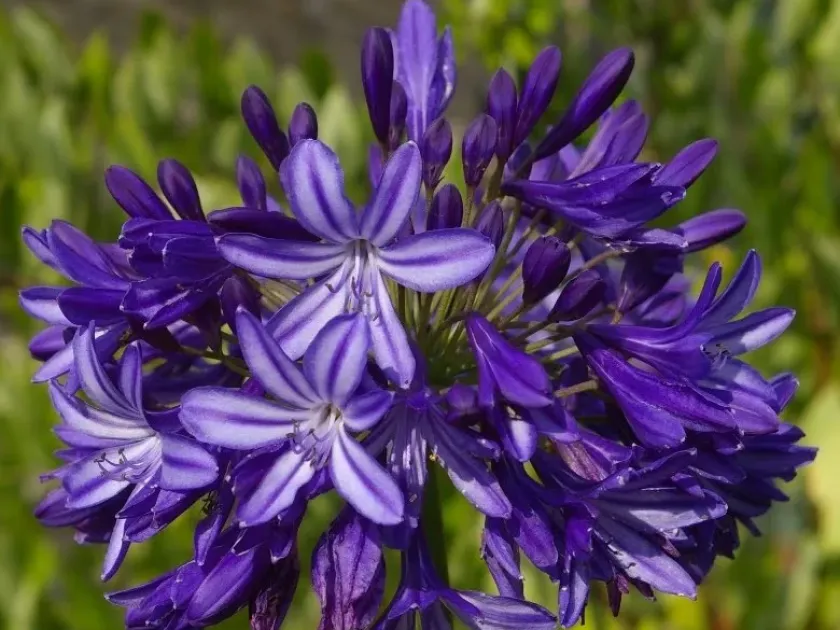
Agapanthus hybrids represent a popular group of perennial herbaceous plants belonging to the Agapanthaceae family. Originating from the diverse landscapes of Southern Africa, these hybrids have been developed for enhanced flowering, vigor, and structural diversity, making them a staple in many temperate and Mediterranean-style gardens.
The plant features a basal rosette of strap-shaped, leathery leaves and produces impressive, tall flower scapes. The inflorescences are distinct umbels that can contain dozens of funnel-shaped florets ranging in color from deep violet-blue to pristine white. These blooms are highly valued for both garden display and as long-lasting cut flowers.
For optimal growth, Agapanthus hybrids require a site with full sun exposure and fertile, well-draining soil. While they are relatively drought-tolerant once established, they perform best when provided with consistent moisture during the active growing season. Good drainage is essential, as the fleshy roots are highly susceptible to rot in waterlogged conditions.
In cooler climates, these plants are primarily cultivated in containers. This allows gardeners to move them to a protected, cool, and well-lit environment during the winter months, preventing damage from severe frost. During the dormant period, water requirements are significantly reduced to keep the substrate just slightly damp.
Agrotechnical maintenance involves periodic fertilization with a balanced mix during spring and summer to promote heavy flowering. Overcrowding can inhibit blooming; therefore, dividing the rhizomes every three to four years is a standard practice to keep the plants healthy and vigorous. Division is the most reliable method of propagation for ensuring hybrid characteristic consistency.
Main diseases and pests
Pests such as spider mites, aphids, and scale insects can frequently affect container-grown Agapanthus, particularly in warm and dry indoor conditions. Regular inspection of the underside of leaves and appropriate treatment with horticultural soaps or systemic insecticides can manage these infestations effectively.
Root rot is the most significant disease risk, typically caused by overwatering or poor drainage systems. It manifests as a decline in vigor, yellowing leaves, and eventual collapse of the root system. Proper soil aeration and strict adherence to irrigation schedules are the primary preventative measures.
Slugs and snails can cause substantial damage to the lush green foliage of plants grown in open ground. Utilizing physical barriers like crushed shells or applying organic bait can protect the plant from these nocturnal mollusks.
Fungal leaf spot diseases may occasionally occur if air circulation is inadequate. Ensuring that plants are not overcrowded and maintaining dry foliage during the evening helps to mitigate the spread of fungal pathogens.
Maintaining strong plant health through proper nutrition and adequate sunlight exposure is the best defense against various pathogens. If infection occurs, affected tissues must be removed promptly to prevent further spread within the collection.