
Aframomum sulcatum
Aframomum sulcatum
Description
Sowing dates
In its native tropical African habitat, planting of Aframomum sulcatum is typically synchronized with the start of the rainy season to ensure optimal moisture for establishment.
Propagation is most successfully achieved through the division of rhizomes during the dormancy period, which allows for rapid regrowth when favorable conditions return.
Seed propagation is possible but less common in commercial farming due to the lengthy germination process and the specific requirements for seed maturation.
Rhizome cuttings should be buried at a depth of approximately 5 to 10 centimeters, ensuring that the buds are protected from direct soil heat while maintaining contact with moist organic matter.
Field density management is crucial; planting rows should be spaced to allow for sufficient air circulation, which prevents the development of moisture-related fungal issues.
Growing requirements
Aframomum sulcatum belongs to the Zingiberaceae family and is recognized for its preference for the understory of dense, humid tropical forests.
The crop requires fertile, well-drained soil rich in organic matter, typically performing best in loamy substrates with a slightly acidic pH level.
As a shade-loving species, it is highly suitable for agroforestry systems, where it thrives under the canopy of larger trees that provide filtered sunlight and protection from wind.
Temperature stability is essential, with an ideal range between 22 and 28 degrees Celsius; extreme thermal fluctuations can severely stunt the plant’s vegetative development.
High relative humidity is a prerequisite for success; irrigation should be managed to mimic the consistent rainfall patterns of its natural tropical environment.
Yield
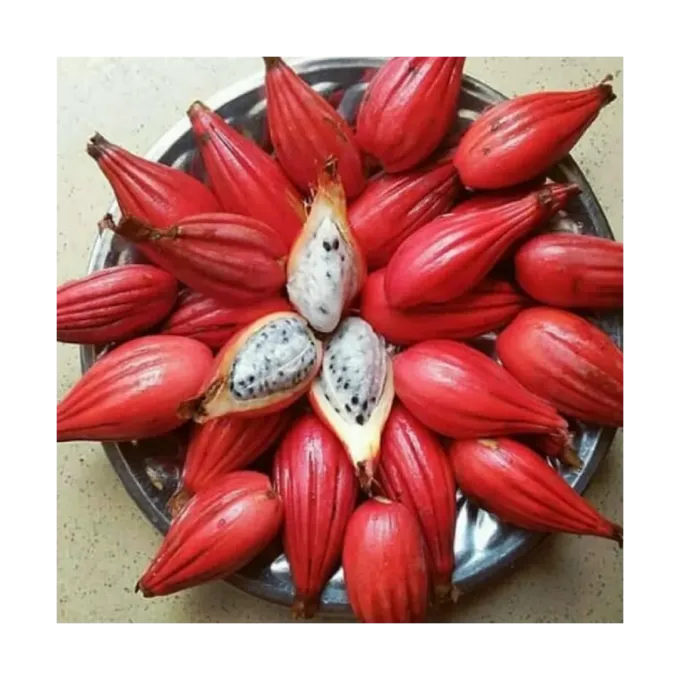
The economic value of this plant lies in its fleshy fruit, which contains aromatic seeds used extensively as a spice and in local traditional medicine.
Yields depend heavily on the maturity of the rhizomes and the level of canopy protection, with harvesting becoming commercially viable after the third year of cultivation.
Proper nutrient management, particularly the application of leaf litter or compost, significantly boosts the production of flowering stems and subsequent fruit set.
Post-harvest processing involves sorting seeds by size and quality, which determines their market value in the global trade of exotic tropical spices.
Standardized farming techniques can yield several tonnes of dried seeds per hectare, provided that disease management protocols are strictly followed throughout the season.
Main diseases and pests
Fungal pathogens represent the most significant threat to the crop, especially in conditions characterized by poor drainage and stagnant air flow around the foliage.
Root-knot nematodes can weaken the plant by feeding on the rhizomes, leading to reduced vigor and an increased susceptibility to secondary infections.
Fruit-boring insects may damage the developing pods, necessitating regular field monitoring and prompt harvesting to minimize losses before infestation levels rise.
Prevention through proper spacing and field sanitation remains the most effective defense, as chemical intervention is often limited in organic-focused tropical production.
Maintaining a healthy ecosystem around the plantation helps in balancing potential pest populations through the presence of natural predators.
Harvesting
Harvesting is a manual process, requiring selective picking of fruits that have reached peak biological maturity to ensure the highest concentration of essential oils.
Freshly harvested fruit must be processed immediately to prevent degradation, as the high sugar and moisture content makes it prone to rapid microbial growth.
Sun-drying or the use of low-temperature mechanical dryers is recommended to reduce moisture levels, which stabilizes the seeds for long-term storage and export.
Once dried, the seeds are threshed from the fruit husk, winnowed to remove light impurities, and graded based on their aroma profile and physical appearance.
Proper storage in airtight, cool, and dark environments ensures that the spicy characteristics and essential oil content are preserved throughout the distribution chain.