
Aframomum subsericeum
Aframomum subsericeum
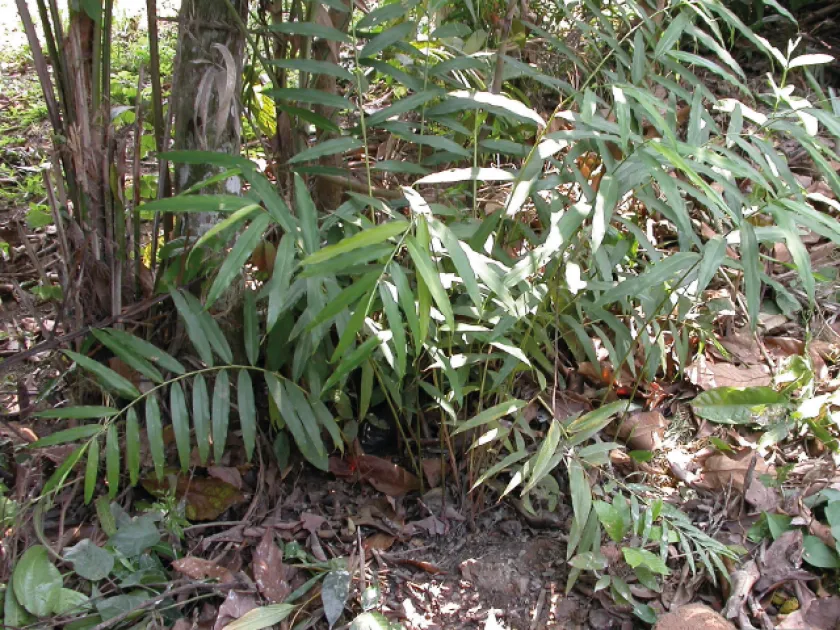
Description
Growing requirements
Aframomum subsericeum is a perennial herbaceous plant belonging to the Zingiberaceae (Ginger) family. It typically forms robust clumps, spreading via underground rhizomes that act as a storage organ for nutrients.
Native to tropical regions of Africa, this species thrives in high-humidity environments. Its natural habitat includes understory areas of tropical forests where moisture levels remain consistently elevated throughout the year.
Regarding soil requirements, the plant necessitates loose, well-draining, and humus-rich substrates. Poorly drained soils can easily lead to root rot, which is a common physiological challenge in the cultivation of this species.
Temperature stability is crucial for the optimal development of Aframomum. It does not tolerate frost or cold drafts, making it strictly suitable for tropical or controlled greenhouse environments where temperatures remain warm.
Light management plays a significant role in the plant's health. While it requires adequate light for photosynthesis, direct tropical sun can cause severe leaf scorch. Providing dappled shade or artificial shading is essential for maintaining leaf integrity.
Harvesting
The primary economic value of Aframomum subsericeum lies in its fruits and seeds, which are utilized for their aromatic properties. These seeds are harvested to be used as traditional spices in local culinary practices.
Harvesting is labor-intensive and performed manually. Farmers monitor the fruit maturity, picking only those that have developed the characteristic scent and color, ensuring the highest concentration of volatile oils.
Post-harvest processing involves separating the seeds from the fruit casing. The seeds are then carefully dried in shaded, ventilated areas to maintain their essential oil profiles and prevent mold growth during the drying process.
In addition to seeds, the rhizomes are sometimes harvested for medicinal purposes or as secondary aromatic products. Sustainable harvesting practices are employed to ensure that the rhizome base remains intact for future regeneration.
The final product is typically stored in airtight containers to preserve its intense aroma and prevent the loss of active chemical compounds, which are highly valued in both trade and traditional healthcare systems.